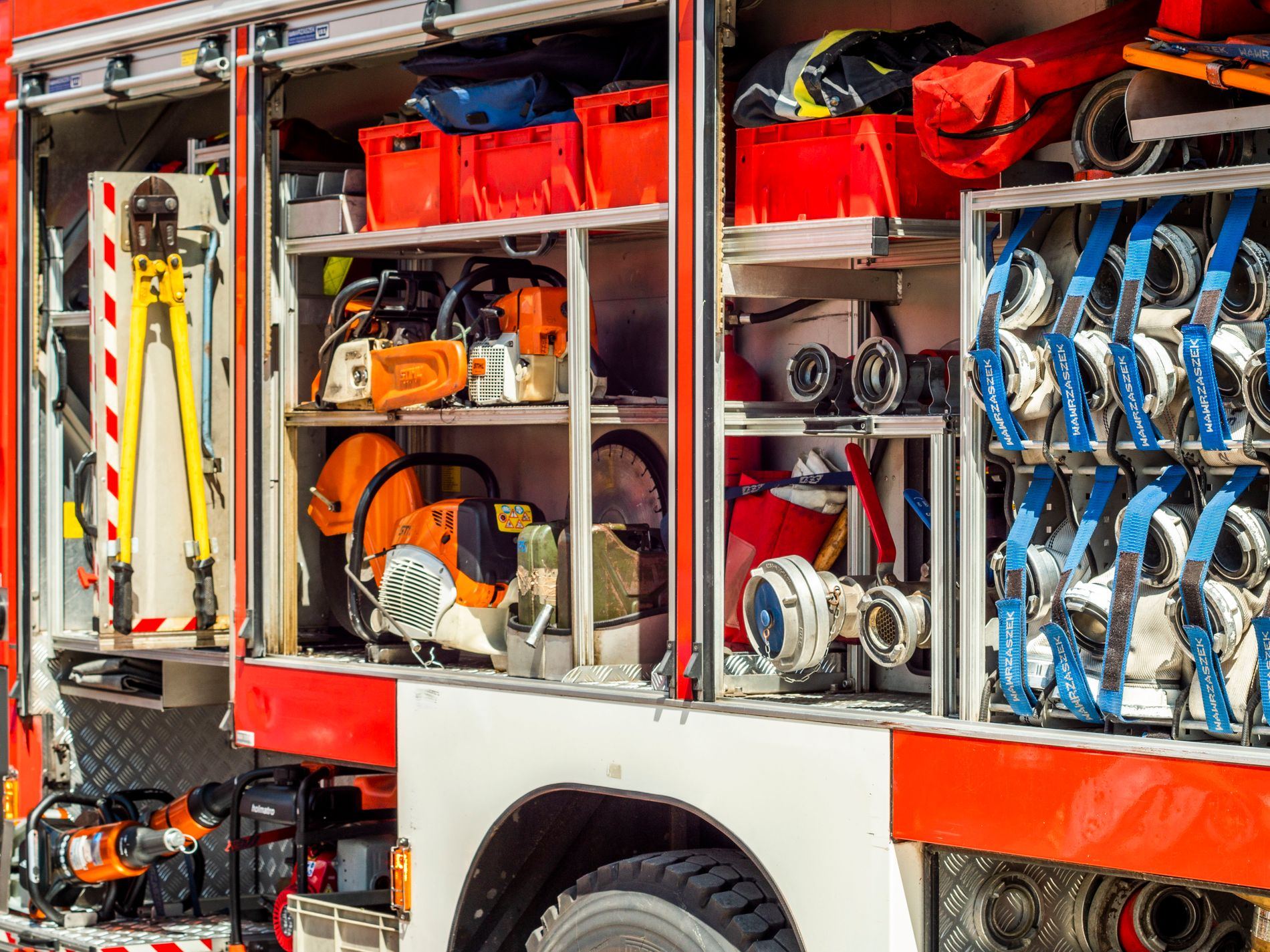
Chelmsford guides
Fire safety guides for landlords in Chelmsford
Read the guide that matches what you have noticed around your home. Every page answers a specific worry and costs nothing to read before you decide whether to ask a specialist firm for help.
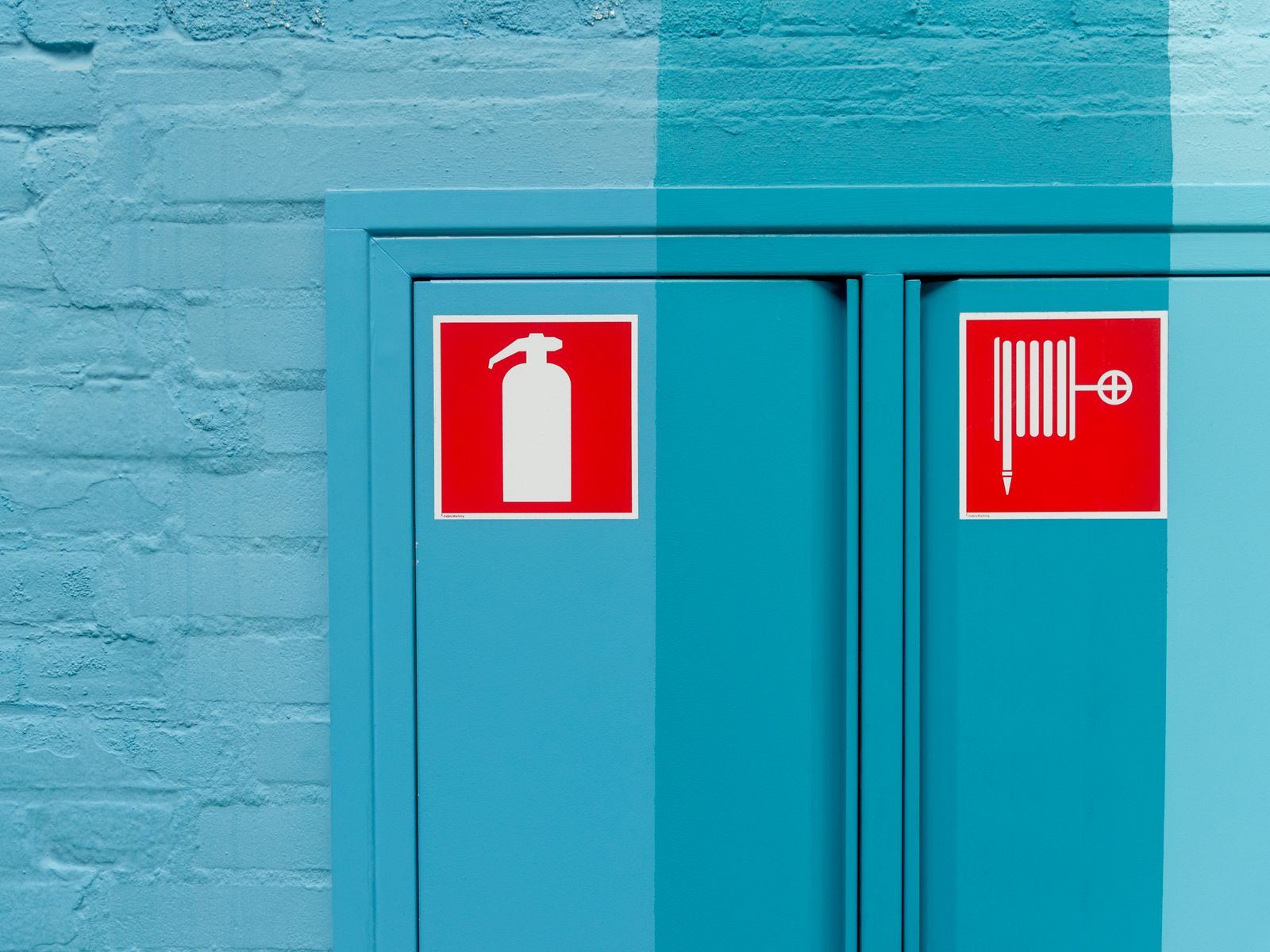
Understanding what a fire risk assessment involves
A fire risk assessment looks at how a fire could start in your home and what might stop people getting out safely. The specialist firm examines escape routes, checks where heat sources sit close to things that burn, and notes anything blocking a doorway or hallway.
If you want to know exactly what happens during the visit, the page on [what a fire risk assessment covers](/safety-work/fire-risk-assessment-chelmsford) walks through each step. You will see which rooms get attention and what the written report contains once the work is finished.
Landlords renting to several unrelated tenants face extra requirements. The guide to [HMO fire risk assessments](/safety-work/hmo-fire-risk-assessment-chelmsford) explains the difference between a standard visit and one required for a shared house. Student lets carry their own rules too, especially before a new term starts, so the page on [student accommodation fire safety](/safety-work/student-accommodation-fire-safety-chelmsford) covers what halls need.
Doors, walls and keeping smoke contained
A door that fails to close properly lets smoke travel through a home far faster than most people expect. The guide to [fire door inspection](/safety-work/fire-door-inspection-chelmsford) describes the gaps, seals and hinges a specialist firm checks. It also explains what counts as a fault and what can be adjusted rather than replaced.
Walls and floors matter just as much. Compartmentation means every section of a building holds smoke and flame back long enough for everyone to leave. The page on [compartmentation surveys](/safety-work/compartmentation-survey-chelmsford) sets out how hidden spaces above ceilings or behind boxing get examined.
Older buildings often lack these barriers entirely. A [fire strategy](/safety-work/fire-strategy-chelmsford) maps out how a structure should perform during a fire, taking its age and layout into account. Flats built above shops present particular problems because the commercial space below changes the risks upstairs, which the guide on [flats above shops](/answers/flats-above-shops-chelmsford) addresses directly.
Getting people out and preparing those who stay
An escape plan only works if everyone in the home knows it without thinking. The guide to [fire evacuation plans](/safety-work/fire-evacuation-plans-chelmsford) shows how routes are mapped and why practising them matters more than filing a document away.
People who manage shared housing or employ staff carry legal duties. [Fire safety awareness training](/safety-work/fire-safety-awareness-training-chelmsford) covers the basics anyone working in a building needs to know. For those given specific responsibility during an alarm, [fire warden training](/safety-work/fire-warden-training-chelmsford) goes further into checking rooms and directing people out.
Every building needs someone named as accountable. The page explaining the [nominated fire safety person](/safety-work/nominated-person-service-chelmsford) clarifies who that should be and what they must do. That role ties directly into the [written fire safety policy](/safety-work/fire-safety-policy-and-procedures-chelmsford) a specialist firm drafts to set procedures down clearly.
Equipment, regulations and official letters
Extinguishers and alarms sit unused for months, then must work instantly. The guide to [fire equipment testing](/safety-work/fire-equipment-testing-advice-chelmsford) explains what a specialist firm looks for during maintenance visits and when items need replacing rather than servicing.
Rules change. The [Fire Safety England Regulations 2022](/answers/fire-safety-england-regulations-2022-chelmsford) brought new obligations for blocks of flats, particularly around information kept in communal areas and doors checked regularly. If you received a letter from the council or Essex Fire and Rescue Service, the page on [what to do next](/answers/letter-from-essex-fire-service) explains how to respond without panicking.
Knowing [how often to review](/answers/how-often-to-review-chelmsford) an existing assessment prevents it from becoming outdated after building work or a change in who lives there. And if you are unsure whether the law applies to your home at all, the guide on [who needs an assessment](/answers/know-how-chelmsford) separates rented properties from owner-occupied ones.
Guides for villages around Chelmsford
Homes outside the town centre face different layouts and building ages. The guide for [Writtle](/chelmsford-and-villages/writtle) covers older cottages and newer developments alike, with specific pages on [fire door inspections](/fire-door-inspection-writtle) and [compartmentation surveys](/compartmentation-survey-writtle) in the village.
In [Boreham](/chelmsford-and-villages/boreham), converted barns and purpose-built flats each carry distinct risks. The local pages address [evacuation plans](/fire-evacuation-plans-boreham) and [door inspections](/fire-door-inspection-boreham) for those buildings.
[Galleywood](/chelmsford-and-villages/galleywood) has a mix of residential streets and small office units sharing boundaries. [Danbury](/chelmsford-and-villages/danbury) includes village halls used by multiple groups, which changes who holds responsibility. Guides exist for [staff training](/fire-safety-awareness-training-danbury) and [equipment maintenance](/fire-safety-equipment-testing-and-maintenance-advice-danbury) there too. Each village page names the specific problems common to its buildings.
Ask about a problem in your home
Send details of what you have noticed. A specialist firm will read them and reply with whether the issue needs attention. There is no charge for the initial enquiry and no obligation to book any work.
- No fee to enquire
- No booking required
- Local firms respond
Guides
- Booking an assessment
Booking a fire risk assessment in Chelmsford is simpler with the right details to hand: building type, floors, tenants and any past reports and actions.
- Responsible person
The responsible person for fire safety is whoever controls the building: owner, employer, landlord or agent, plus the duties each holds in Chelmsford.
- Review frequency
Fire risk assessments go out of date as buildings change. Find how often to review a fire risk assessment in Chelmsford and what triggers an earlier one.
- 2022 Regulations
The Fire Safety (England) Regulations 2022 added duties for flats, including fire door checks and resident information. See what applies in Chelmsford.
- Fire door checks
Fire door checks look at gaps, seals, hinges, closers and glazing. See what gets checked on a fire door, common faults and when checks are needed.
- Student let checks
Student let fire safety checks before the autumn term cover alarms, fire doors, escape routes and clutter in shared student houses in Chelmsford.
- Flats above shops
Flats above shops face extra fire risk from takeaways, stock storage and shared escape routes. See what fire safety for flats above shops should cover.
- HMO licence
Licensed HMOs in Chelmsford must meet fire safety conditions on alarms, doors and escape routes. See what the council checks and how to evidence it.
- Do I need one?
Most Chelmsford buildings with staff, tenants or shared areas need a written fire risk assessment. Find out who is responsible and when one is due.