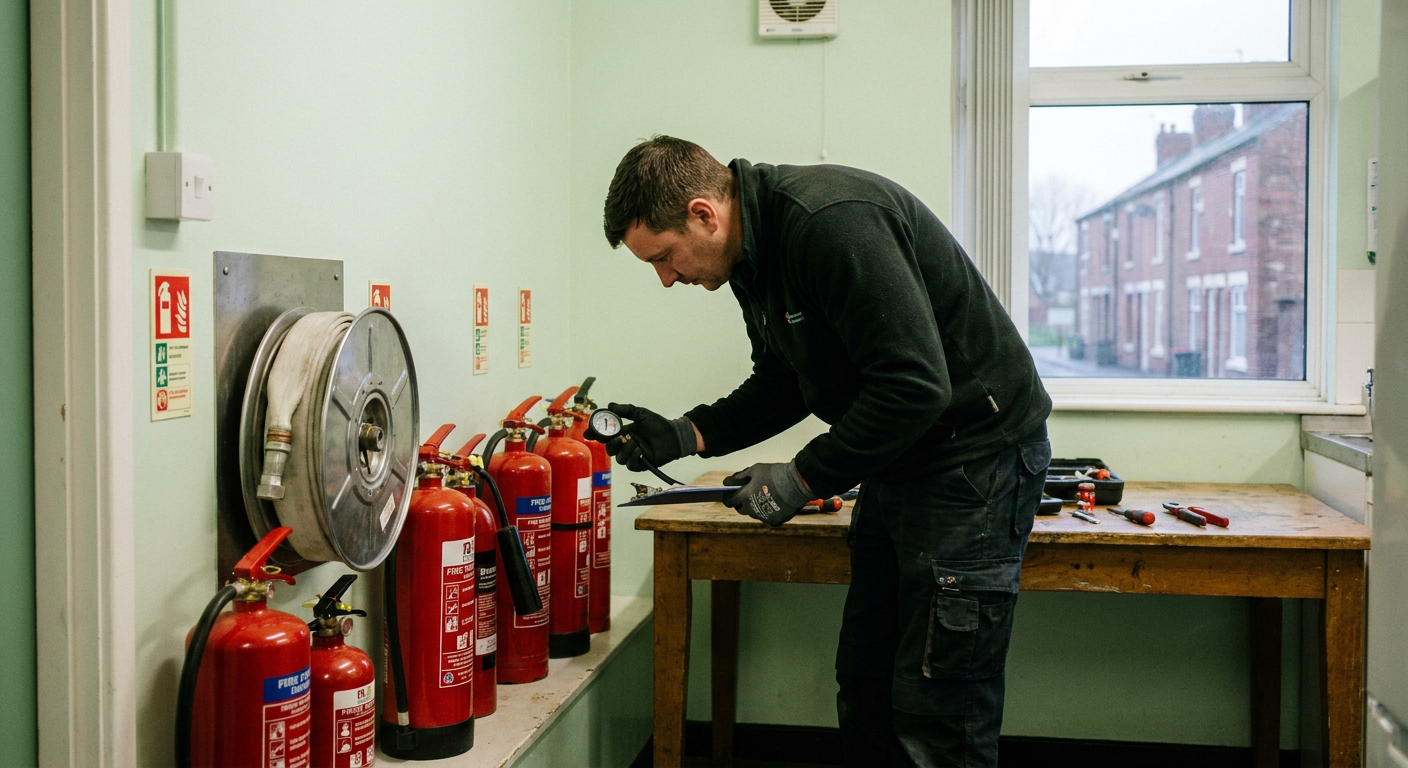
Equipment advice
Fire extinguisher testing and servicing in Chelmsford
Send an enquiry about alarms, emergency lighting or extinguishers at your home. A specialist firm will reply with advice on a proper test schedule and what records to keep. There is no charge for asking.
Safety equipment services in Chelmsford
A specialist firm handles each part of fire risk management separately. The right one depends on whether you need a full assessment, a door check or advice on maintaining your existing equipment.
-
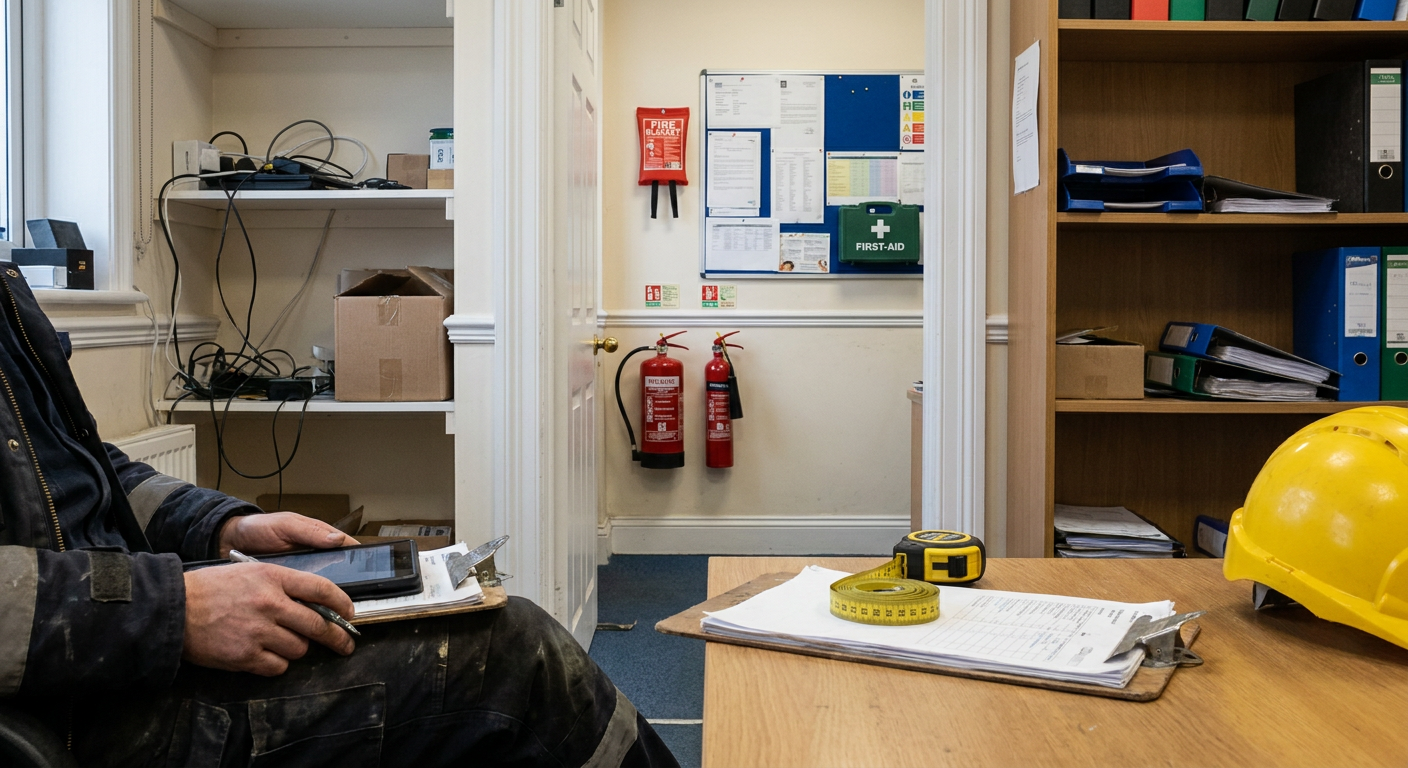
Fire Risk Assessment
The specialist examines escape routes, hazards and existing precautions, then writes a report stating what needs changing at your home.
-
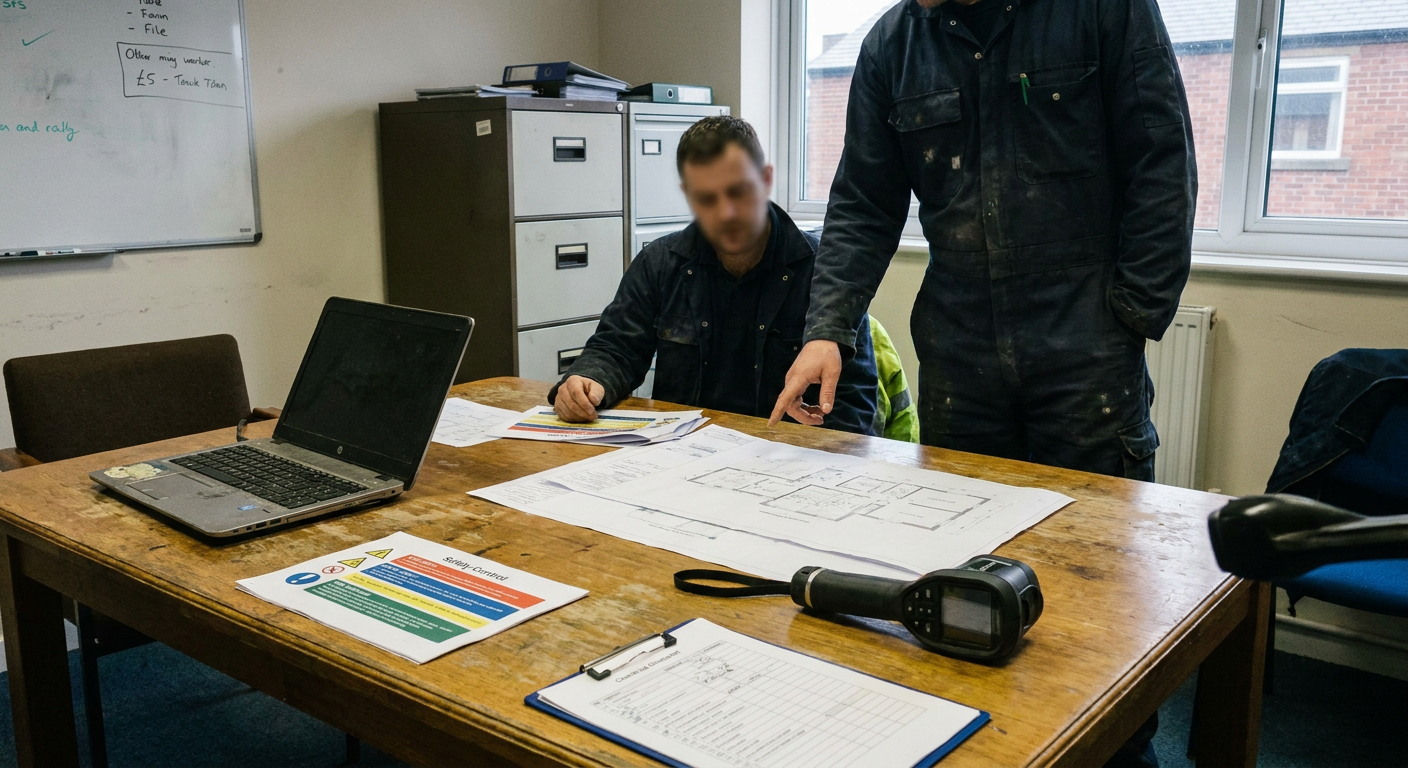
Fire Door Inspection
The specialist checks gaps, seals and closers on every fire door, recording faults that would let smoke spread through the building.
-
Compartmentation Survey
The specialist inspects walls, floors and hidden voids to confirm they will hold back fire and smoke between separate areas of the home.
-
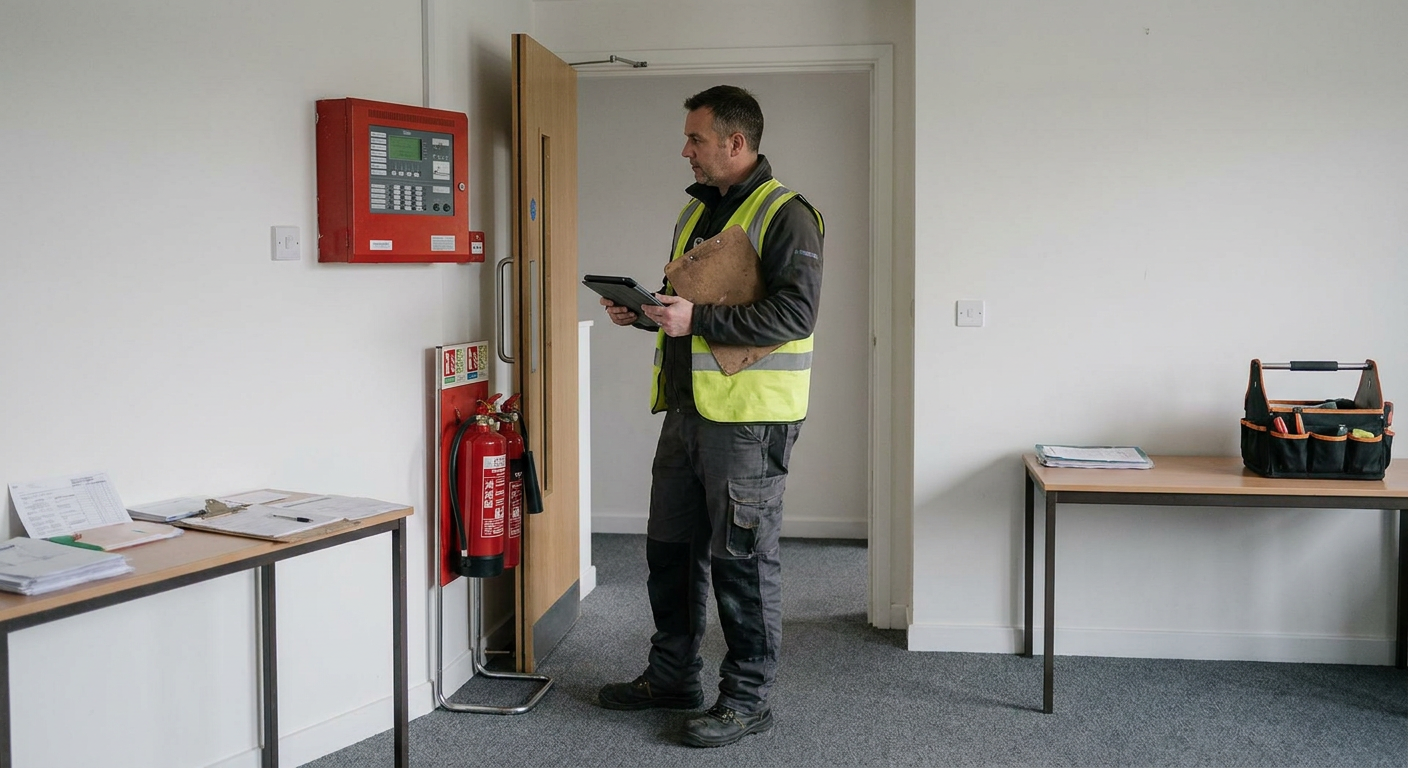
Equipment Testing Advice
The specialist advises on a testing schedule for alarms, emergency lighting and extinguishers, explaining what records an inspector expects to see.
What gets tested and how often
Fire extinguisher testing Chelmsford involves more than checking pressure gauges. Alarms, emergency lighting and extinguishers all follow different schedules under alarm testing requirements workplace rules.
- Weekly alarm checks A staff member can press the test button weekly. This confirms the sounders work but does not replace the annual service a competent person must carry out.
- Monthly lighting flick test Switch off the mains briefly each month to confirm emergency lights illuminate. The full duration test happens once a year and takes up to three hours.
- Annual extinguisher service A technician holding a BAFE SP101 certificate inspects each extinguisher, weighs it and checks the discharge mechanism. They advise whether it needs servicing or replacing based on its age and condition.
- Log book entries Record every check, fault and repair. An inspector reviewing the fire log book wants dates, who did the work and what action followed any problem found.

How the advice visit works
A specialist follows a set sequence when advising on an extinguisher service schedule Essex homes require, so nothing gets missed.
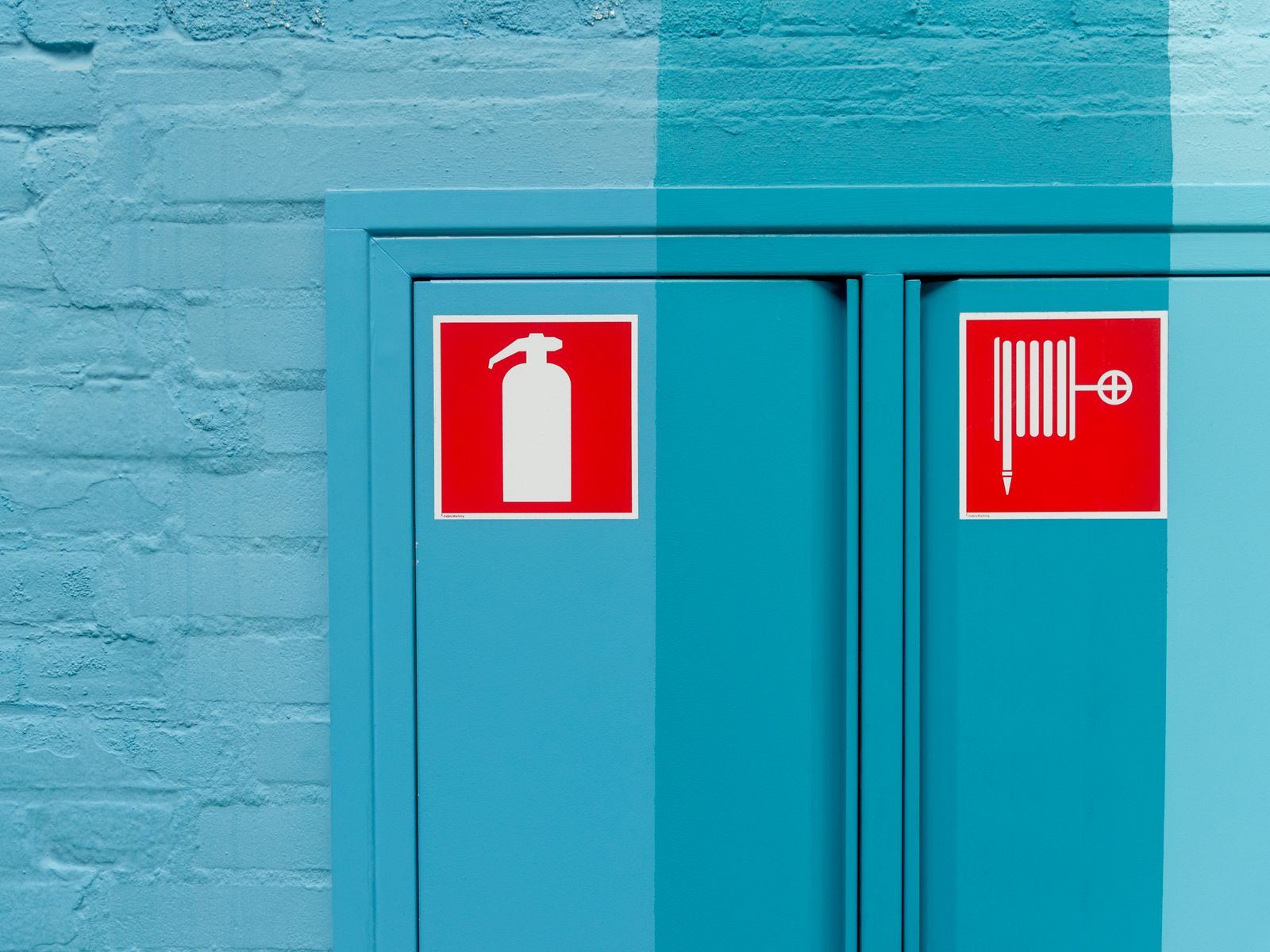
Initial walk around
The specialist looks at every room, noting where extinguishers, call points and emergency lights are positioned.

Reviewing records
Existing log books and past certificates are checked against current alarm testing requirements workplace standards.
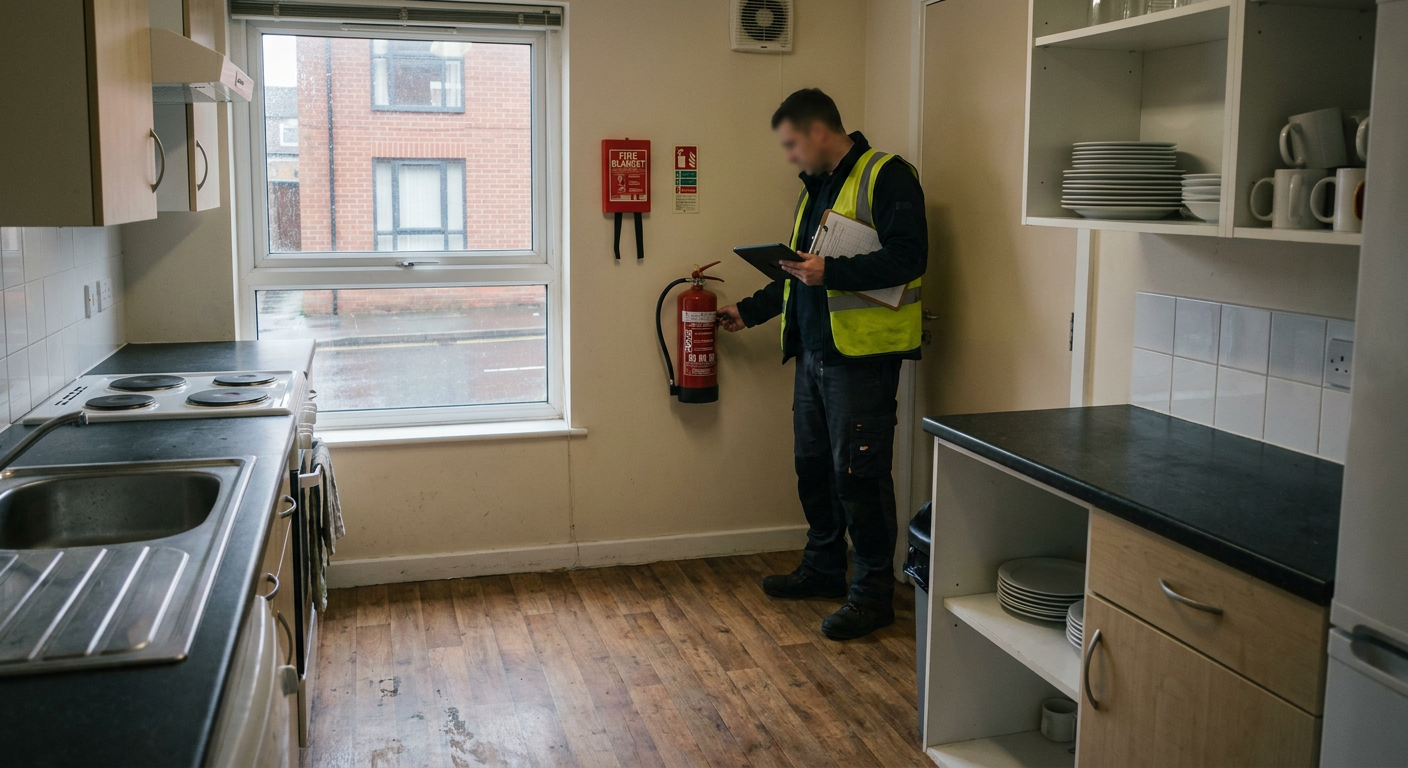
Written schedule
The specialist produces a document listing what to test, how often and who should do it, without selling new equipment.
What you receive after the visit
The specialist leaves behind written evidence of what they found and a clear plan for keeping equipment maintained. These documents form the basis of your ongoing fire safety record.
- Testing schedule
- A dated list showing which checks happen weekly, monthly and annually, tailored to the layout of your home.
- Condition notes
- Specific observations on each extinguisher and light fitting, stating whether it passed inspection or needs attention.
- Log book template
- A format for recording future tests, showing exactly what to record so an inspector can verify maintenance history.
Servicing or replacing equipment
Extinguishers and emergency lights have finite lifespans. Knowing whether to service or replace them affects both safety and cost.
The specialist advises which option suits your home after inspecting each unit individually.
When it applies
- Service existing units
- Units within their lifespan pass visual and pressure checks without corrosion.
- Replace with new ones
- Units past their expiry date, dented, corroded or failing a discharge test.
Who decides
- Service existing units
- A competent person assesses condition during the annual visit and records it.
- Replace with new ones
- The technician recommends replacement when servicing cannot restore function.
Emergency lighting
- Service existing units
- Flicker tests confirm batteries hold charge for the required duration period.
- Replace with new ones
- Duration tests reveal batteries that fail to sustain light for three hours.
Areas covered near Chelmsford
Specialist firms take enquiries from across Chelmsford and the surrounding villages. Fire safety equipment testing and maintenance advice in Chelmsford follows the same standards whether your home is in the city centre or further out.
If your village is not listed, send an enquiry anyway. Coverage extends across Essex.
Ask about your testing schedule
Describe the equipment in your home and the questions you have. A specialist firm will reply with advice on what to test and when. Sending an enquiry does not commit you to buying anything.
- No obligation to buy
- Advice from a specialist firm
- Local to Chelmsford