
Student lets in Chelmsford
Student let fire safety checks before term starts
Send details about the house you rent to students and find out what needs checking before September. There is no charge for asking, and no obligation to book anything.
Getting a student house ready for September in Chelmsford
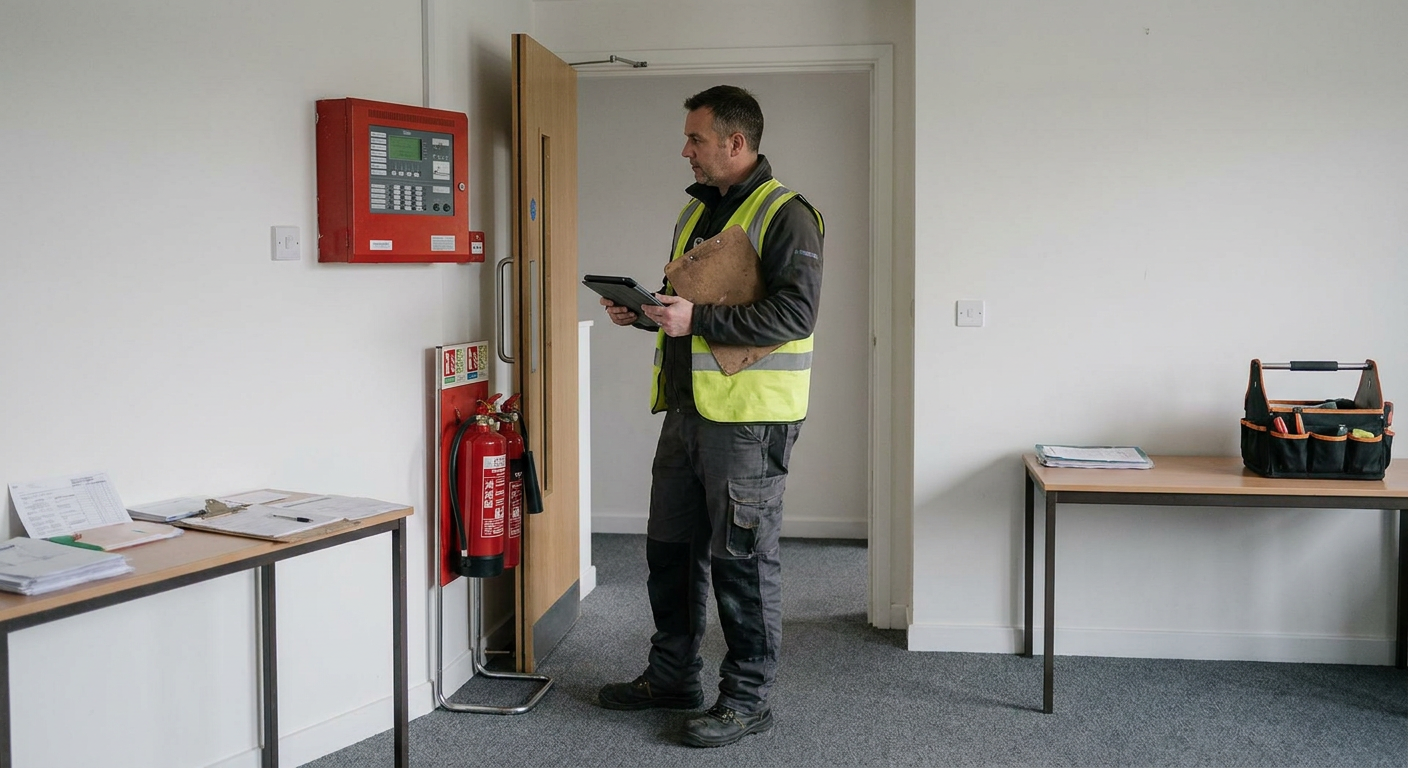
Why the weeks before term matter
Every August, landlords across Chelmsford prepare houses for new student tenants. A six-bedroom property near Anglia Ruskin University holds more people than a family home, so the risks are different. Student let fire safety checks address those differences directly.
Running landlord fire checks before term means faults get fixed while rooms are empty. The specialist firm carries out a full fire risk assessment of the rented house, looking at how smoke travels, where escape routes lead, and whether alarms wake someone sleeping behind a closed door.
HMO fire safety in Chelmsford follows specific rules because shared kitchens and multiple occupants change how a fire behaves. Booking early gives time for any repairs or replacements the report recommends. Waiting until late August often means competing for appointments when every agent in town wants the same work done.
Alarms, doors and kitchen risks
A common question is whether alarms are needed in a shared house on every floor or just in the hallway. For an HMO, interlinked detection is expected throughout the building. A smoke alarm on the landing will not wake someone three rooms away if it is not linked to the detector outside their door. The specialist assesses the layout and specifies the coverage required.
Student house fire door rules focus heavily on kitchens, since cooking causes most fires in shared homes. A fire door only works when it is closed. If tenants prop it open with a chair or a bin, the compartmentation fails. The specialist firm inspects gaps, seals and closers to confirm each door shuts properly under its own weight. Where self-closing devices need adjusting, that gets flagged in the report.
Escape routes must remain clear. Corridors stacked with bikes or boxes become traps in the dark. A proper inspection identifies these pinch points before move-in day.
Paperwork the council expects to see
Letting agent fire safety paperwork goes beyond a certificate filed in a drawer. Chelmsford City Council can ask for evidence that a suitable and sufficient assessment has been carried out, along with records showing recommended actions were completed.
The responsible person for the home, usually the landlord or their managing agent, holds this duty. When the specialist firm finishes inspecting, they produce a written record detailing hazards found, who might be harmed, and the steps taken to reduce the risk. This document forms the core of what an inspector would request.
Keeping copies of alarm test logs, equipment servicing records and any fire safety policy documents shows the home is managed actively rather than checked once and forgotten. If the council sends a letter about conditions, having this paperwork already assembled changes the nature of that conversation entirely.
Timing the work around tenancies
Booking the assessment eight to ten weeks before the new tenancy begins gives enough margin. The visit itself takes a few hours, depending on the size of the house. If the current tenants are still living there during summer, the disruption is minimal. The specialist walks through the rooms, tests alarms briefly and examines doors without moving furniture or taking up much time.
Once the report is issued, it contains a list of actions. Some might be simple fixes like replacing a broken closer. Others could involve upgrading detection or improving signage. Each action comes with a priority level so the landlord knows what must happen before anyone moves in and what can wait.
This structured approach means the house is genuinely safer by September, rather than simply ticking a box on a licence application.
Questions about preparing a student house
What fire checks should be done before students move in?
The specialist firm examines alarms, escape routes, fire doors, emergency lighting and kitchen risks. They produce a written assessment covering everything the law requires for a shared house, tailored to the layout of the specific building.
How early before term should I book the safety work?
Eight to ten weeks before the tenancy starts is sensible. That leaves time for the inspection and any repairs the report recommends. Late bookings in August often face delays because many landlords want the same work done simultaneously.
Do I need interlinked alarms on every floor of my HMO?
Yes. Alarms in a shared house must be interlinked and cover all floors, not just hallways. Detection is also expected inside higher-risk rooms such as kitchens and lounges, so a fire triggers the warning everywhere at once.
Tenants keep propping the kitchen fire door open, what do I do?
The door must close fully every time. The specialist checks the closer mechanism and adjusts it if needed. Beyond that, the landlord must instruct tenants never to wedge fire doors open, and follow up if they ignore that instruction.
What paperwork would the council ask for during an inspection?
They expect the written fire risk assessment, proof that recommended actions were completed, records of alarm testing, and any maintenance logs for fire doors or extinguishers. Having these documents ready avoids enforcement problems.
Does a fire risk assessment affect my insurance or mortgage?
Insurers and lenders frequently require evidence that a valid assessment exists. Missing one, or ignoring its recommendations, can invalidate a policy or breach a mortgage condition. Keeping the document current protects both coverages.
How much disruption is there if work happens mid-tenancy?
Very little. The inspection involves walking through rooms and testing alarms briefly. Any subsequent repair work is usually quick, such as fitting a new door closer or adding a smoke detector, and arranged around tenant schedules.
What happens after the assessment is finished?
The specialist issues a report listing hazards, the people at risk, and actions to take. Each action has a priority. High-priority items should be resolved before new tenants arrive; lower ones carry longer but defined deadlines.
Get the house ready before September
Send the address and the number of rooms. You will hear back about what needs doing and how long it takes. Asking does not commit you to booking any work.
- No fee for asking
- Clear next steps
- Local knowledge