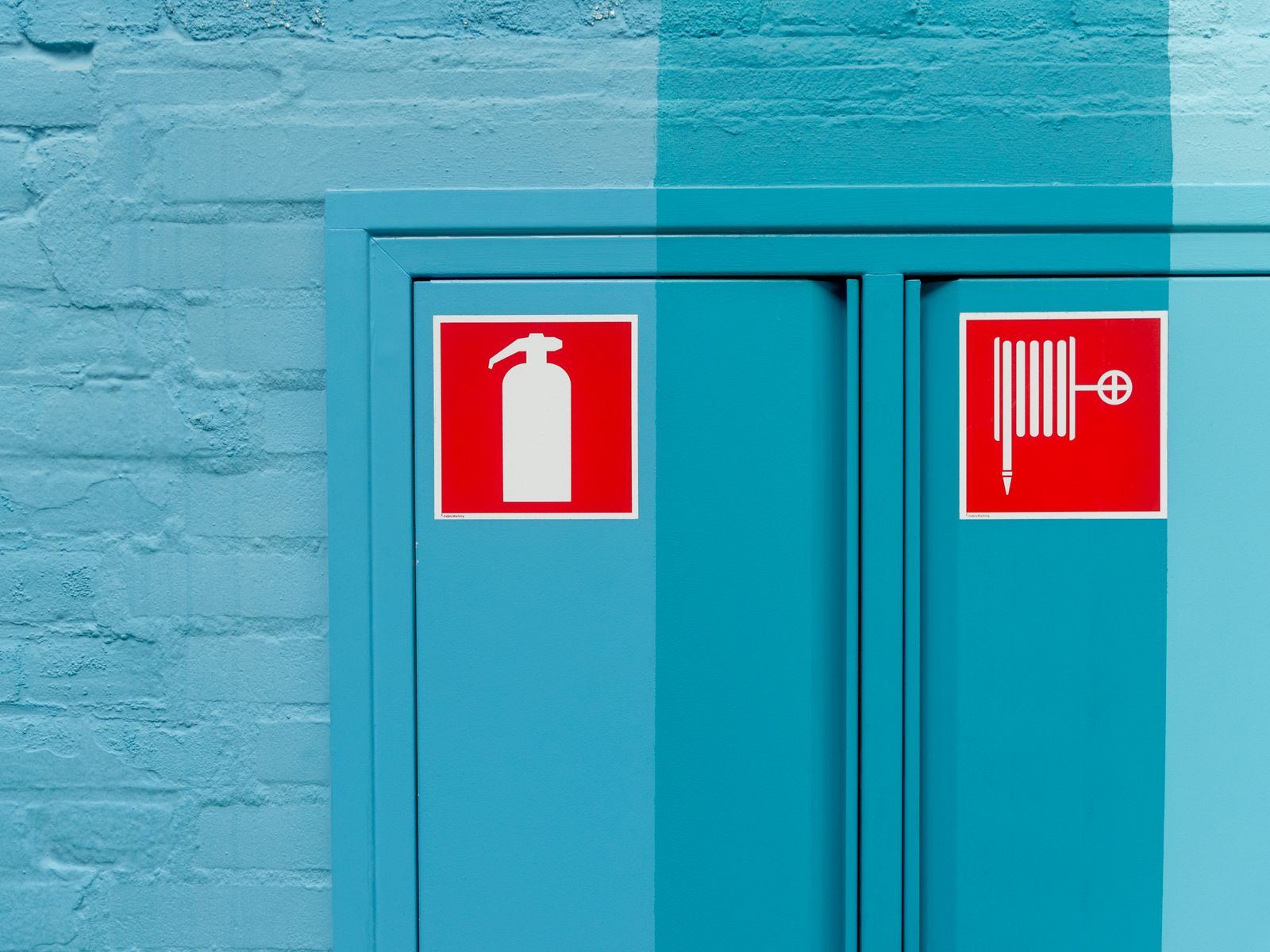
Shared houses
HMO fire risk assessment in Chelmsford for landlords
Send the details of your shared house to find out what a fire risk assessment involves. There is no charge for an initial enquiry, and no obligation to book anything until you are ready.

Why shared houses need a recorded assessment
A shared house where unrelated people rent individual rooms carries different risks from a single family home. The law places a duty on the landlord or managing agent to assess those risks and record the findings. An hmo fire risk assessment chelmsford looks at the building as tenants actually use it, with closed bedroom doors, shared cooking areas and escape routes that several households rely on at once.
Licensing adds another layer. Chelmsford City Council sets specific conditions when it grants an HMO licence, and those conditions typically require a current assessment by a competent person. But licensing is not the only trigger. A shared house fire assessment Chelmsford landlords commission often happens because a tenant raised a concern, a mortgage lender asked for proof, or an insurer requested one before renewing a policy. The legal duty applies whether the property sits inside a mandatory licensing area or falls outside it.
The specialist firm carrying out the work examines the physical layout, the alarm system, the doors, the means of escape and the management arrangements. They produce a written report that names any shortcomings and sets out what needs to change. That document becomes the basis for ongoing fire safety management in the home.
Licence conditions and council expectations in Essex
When Chelmsford City Council issues a licence for a shared house, the schedule of conditions almost always specifies requirements for fire detection, emergency lighting, door furniture and compartmentation. These HMO licence fire requirements Essex councils enforce follow national guidance but vary between properties depending on size, layout and the number of occupants. Typical conditions demand a fire detection and alarm system designed to the relevant British Standard grade for the building type. For a three storey shared house, that usually means an HMO alarm system grade D setup: mains powered detectors with battery backup, interlinked so that a device triggered in the kitchen sounds alarms throughout the escape route and every bedroom. Smaller two storey homes sometimes meet the standard with a simpler arrangement, but the specialist will confirm what the specific licence demands. Doors form the other major condition. The council expects these to be installed correctly and maintained. During an inspection, officers will look at whether closers shut the door fully into the frame without sticking, and whether gaps around the edges stay within permitted limits.
What the specialist examines on the day
The visit starts with a walk through the entire home, from the highest bedroom down to the final exit. The specialist checks the compartmentation first: whether walls and floors separating rooms from the stairway resist fire long enough for everyone to get out. In older Chelmsford houses converted into shared accommodation, gaps around pipes, missing plasterboard in voids or poorly sealed loft hatches are common problems. Where compartmentation is uncertain, they may recommend a dedicated survey to map the hidden barriers behind walls and above ceilings.
Every door on the escape route receives attention. The specialist measures gaps at the head, sides and threshold. They test the closer to see if it pulls the door shut against the latch from any angle. They check for certification marks, the condition of intumescent strips and whether hinges have the right number of screws. Rules about fire doors in rented houses apply strictly here because a propped open or warped door defeats the whole compartmentation strategy.
The alarm system gets tested zone by zone. Detectors are checked for the correct type in each location, heat sensors in kitchens and optical smoke sensors elsewhere. Emergency lighting, extinguishers and signage all feature in the report. Finally, the specialist reviews management procedures: tenancy agreements, records of testing and how quickly maintenance faults get fixed.
Arranging access and the visit itself
Tenants do not need to be present for the assessment to happen. Many landlords in Chelmsford arrange key access so the specialist can move through the home without disturbing occupants. Bedroom doors still need to be opened, so the specialist will enter each room briefly to check detectors, windows and door hardware. If a tenant has locked their room, that part of the inspection cannot be completed, and the report will note the limitation.
The time on site depends on the size and complexity of the house. A four bedroom conversion on a single street in Chelmsford might take under two hours. A larger property spread over three floors with multiple common areas takes longer because there are more doors to measure, more detectors to test and more escape routes to trace. The specialist moves methodically, recording measurements and photographs as they go.
Pricing follows the same logic. The fee reflects the number of rooms, the floor count and the state of the existing safety measures. A straightforward house with recent upgrades costs less to assess than one where the specialist must document numerous faults and write detailed recommendations for remedial work.
After the report: remedial work and ongoing duties
Once the specialist finishes the assessment, the landlord receives a written report setting out what is adequate and what needs attention. The report does not commit anyone to further spending. It lists actions by priority, distinguishing between things that must happen immediately to keep tenants safe and improvements that can follow a planned schedule.
If the report identifies faulty doors, missing seals or inadequate alarms, separate specialist firms handle that remedial work. The assessment firm does not carry out repairs, which keeps the advice independent. A landlord might commission a fire door inspection to detail exactly which doors need replacing and which just need new seals or adjusted closers. Electrical contractors install or upgrade alarm systems based on the specification in the report.
Insurers frequently ask to see the current assessment before renewing cover for a shared house. Having the document ready avoids delays. The assessment also needs periodic review. Any significant change to the building, a new tenant moving in with mobility difficulties, or alterations to the layout should prompt a fresh look. Even without changes, good practice means reviewing the document regularly to ensure the recorded precautions still match reality.
Related services
Other checks for shared houses in Chelmsford
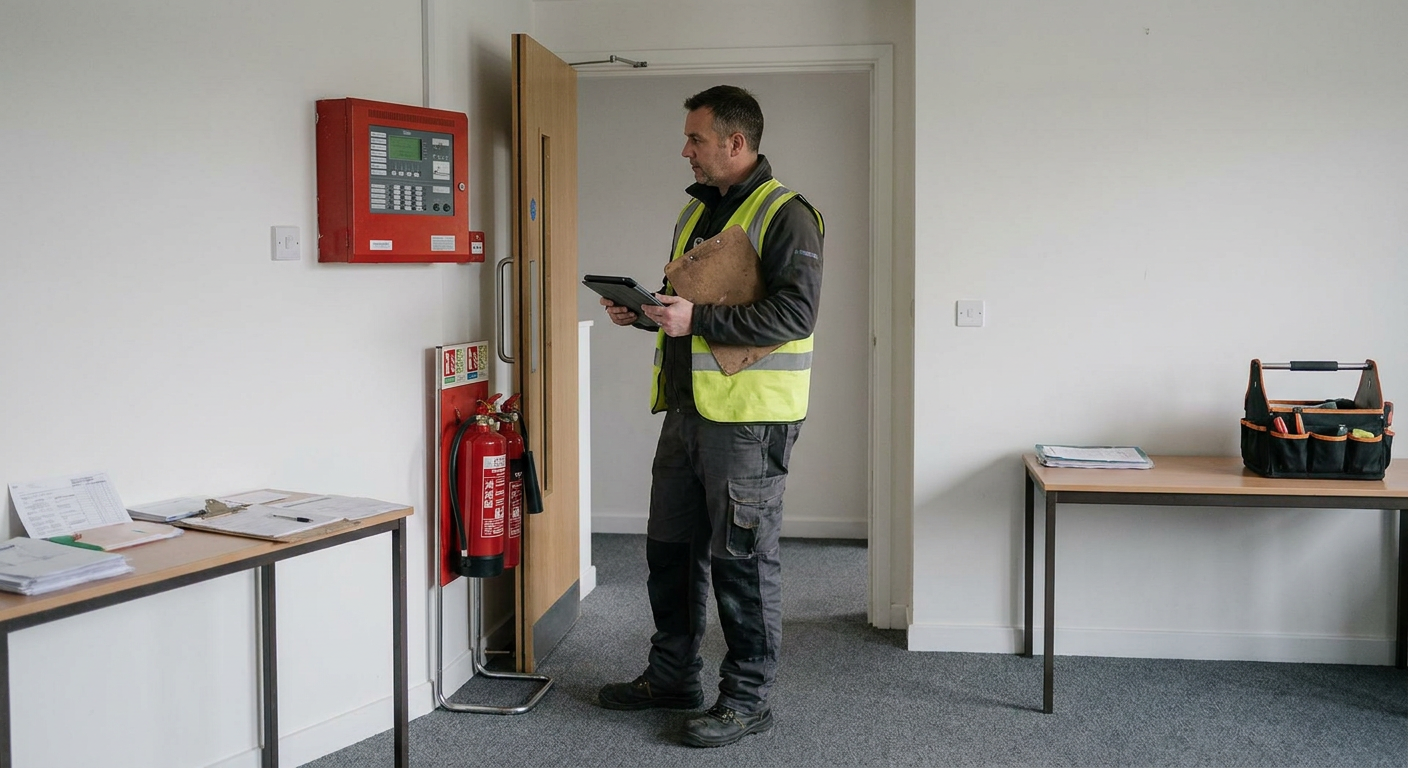

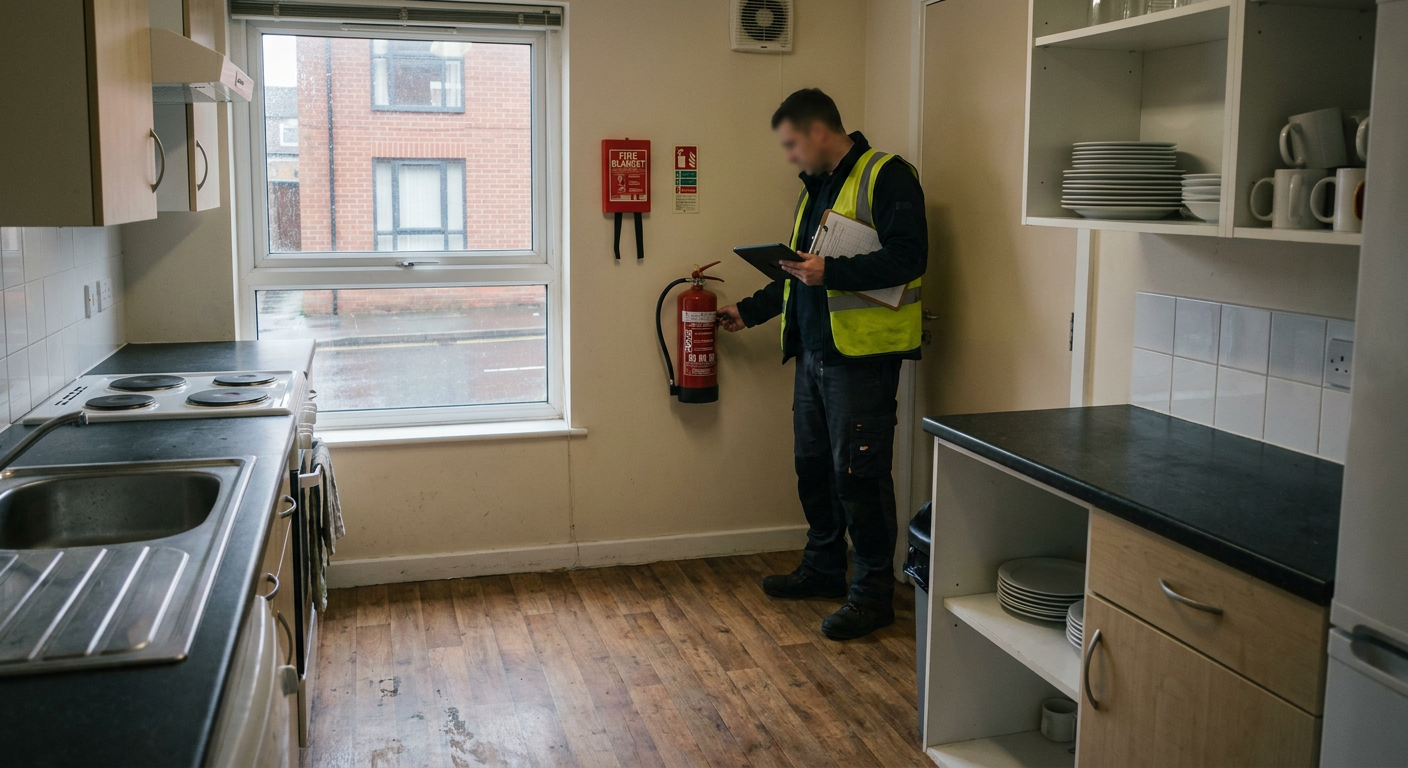
Fire door inspection
Measuring gaps, testing closers and checking certification on every door along the escape route in a shared house.
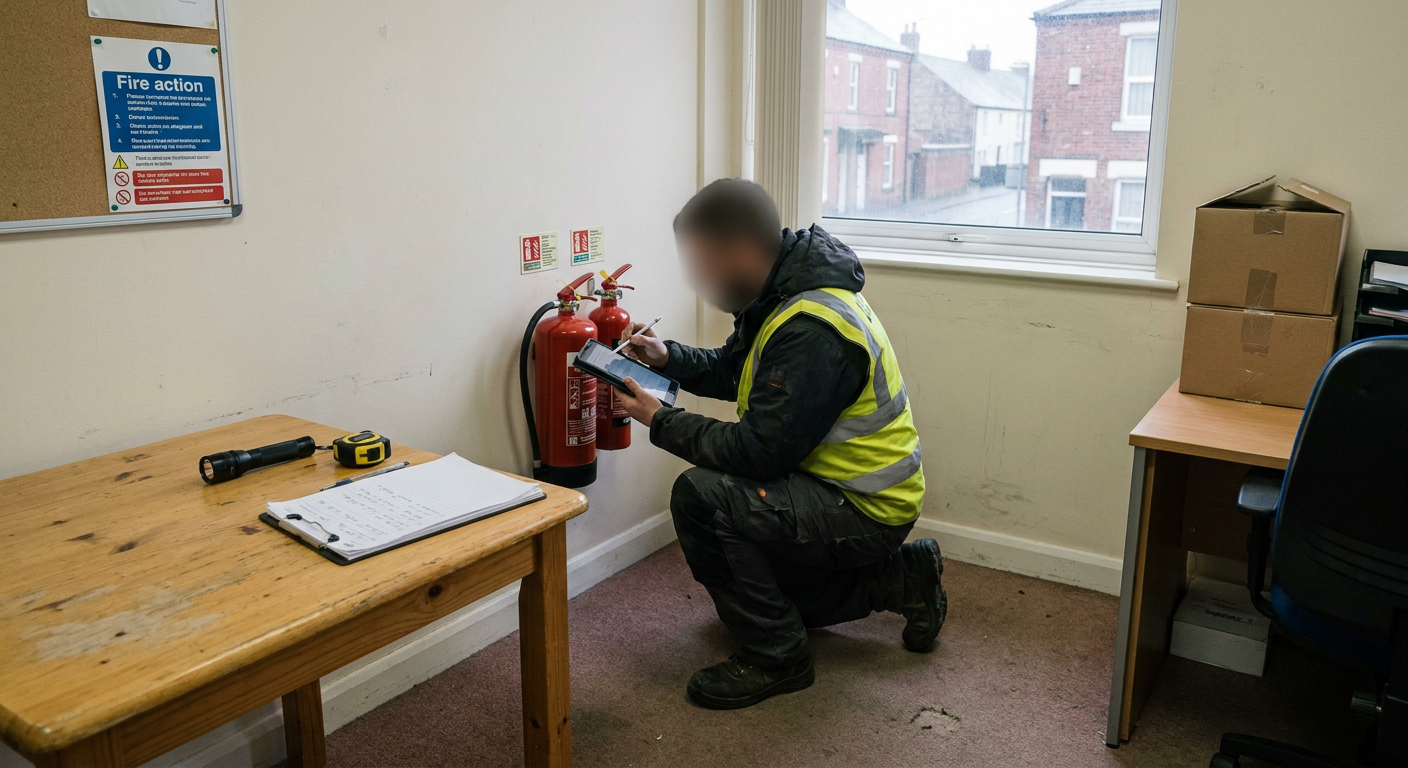
Compartmentation survey
Examining walls, floors and hidden voids to confirm fire separation between bedrooms and the stairway.
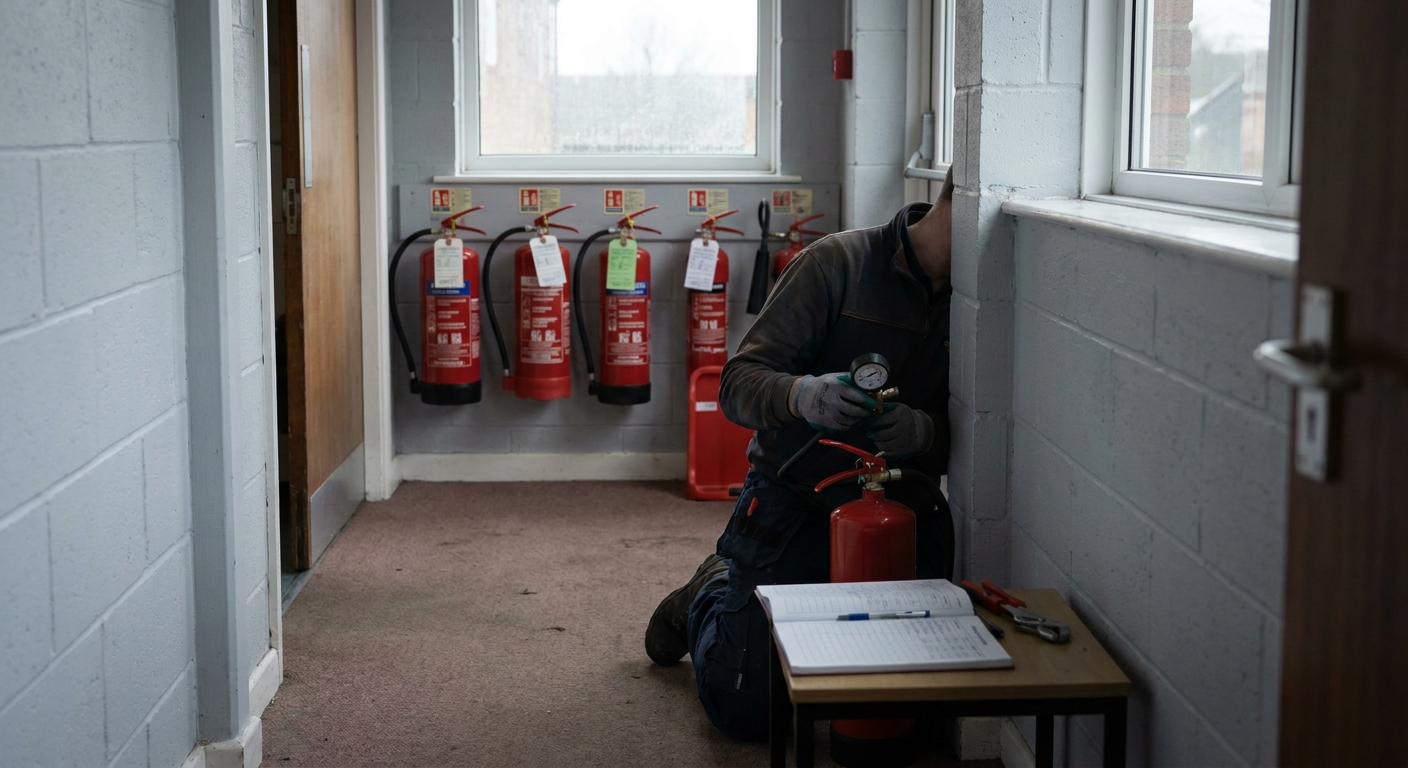
Evacuation plans
Mapping escape routes and writing clear instructions for tenants living in multi storey shared accommodation.
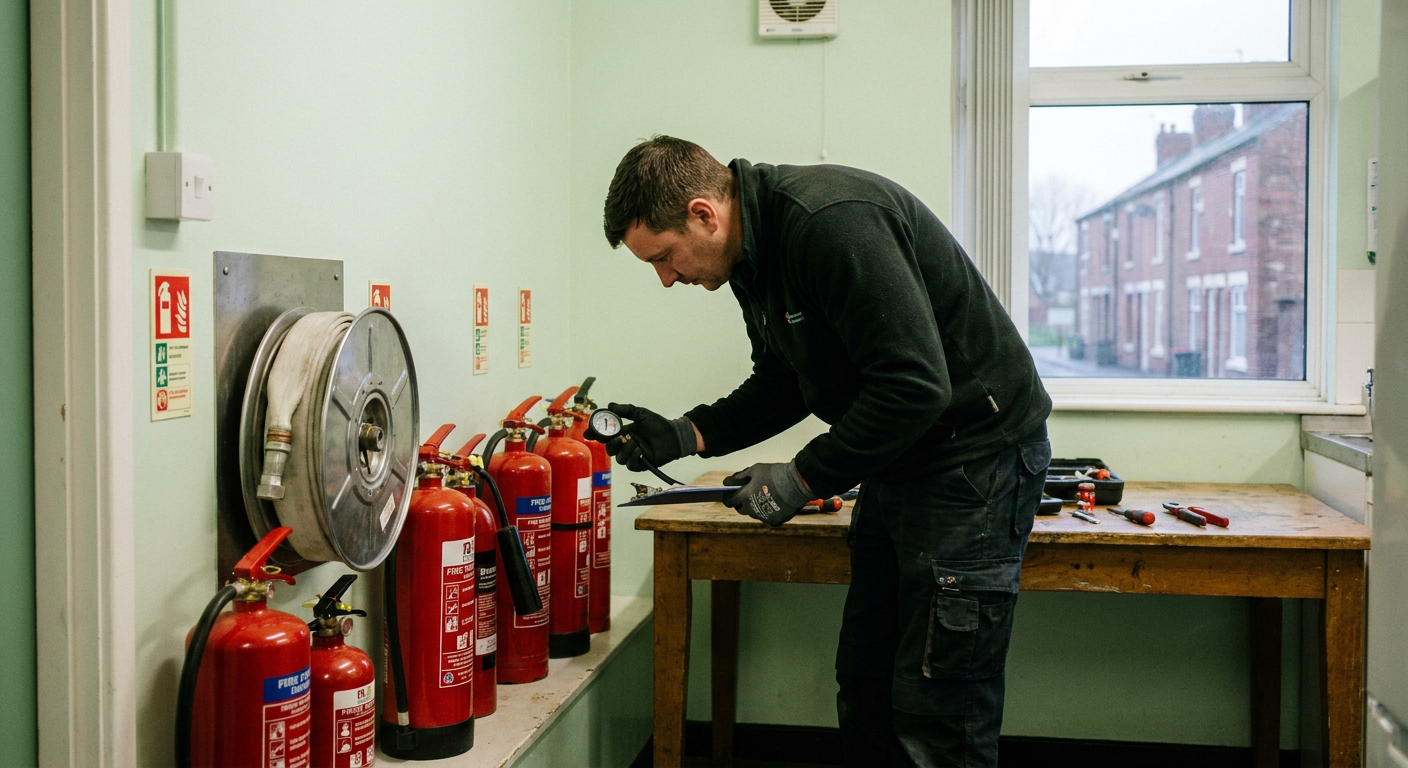
Nominated person service
A named contact who takes on the day-to-day fire safety duties for a rented home, so tenants and the council know exactly who to speak to. Find out what [the role of a nominated person](/safety-work/nominated-person-service-chelmsford) involves.
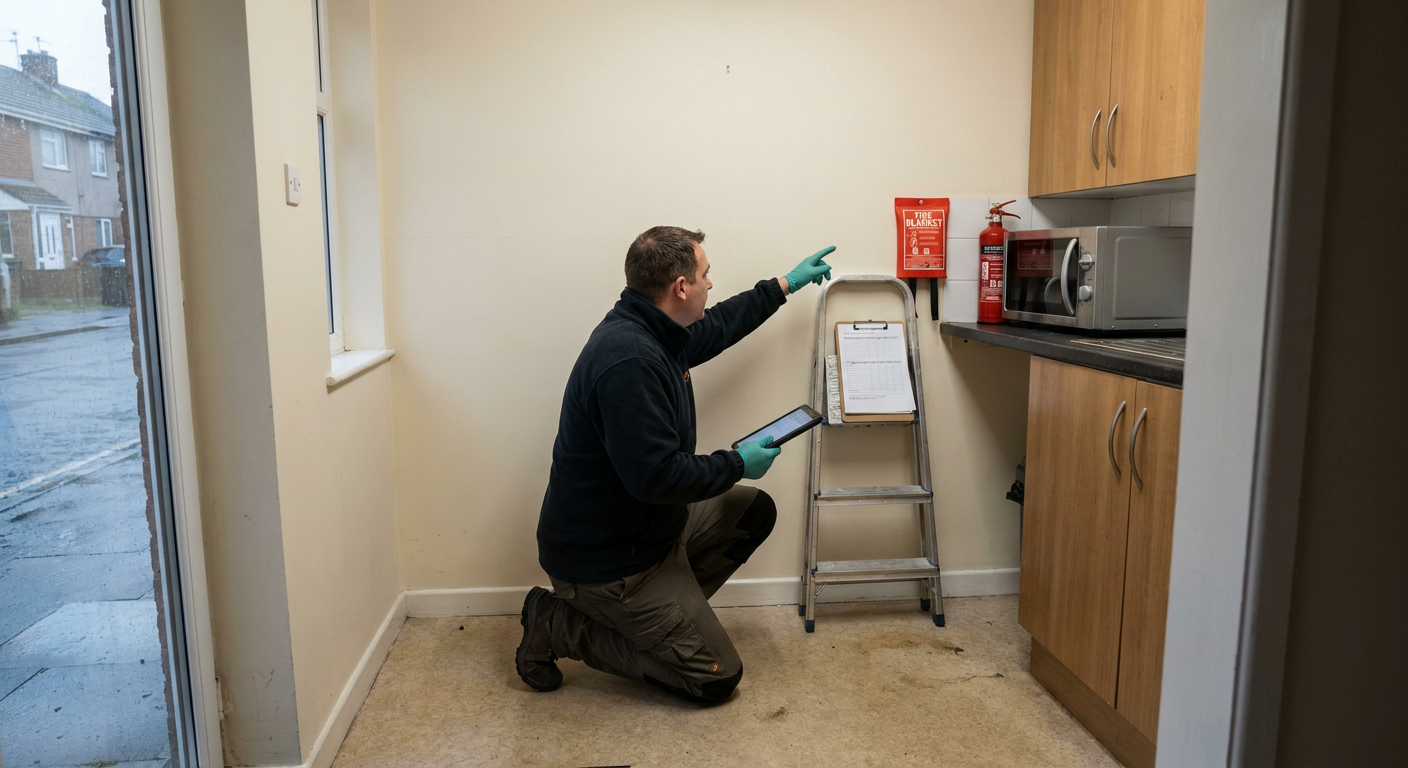
Equipment testing advice
Advising on maintenance schedules for extinguishers, emergency lighting and detection systems in licensed houses.
Fire safety policy
Drafting written procedures covering alarm testing, hazard reporting and tenant communication for shared homes.
Questions about HMO assessments
Does my Chelmsford HMO need a fire risk assessment if it is not licensed?
Yes. The legal duty to assess fire risk applies to shared houses regardless of licensing status. If unrelated tenants occupy individual rooms and share facilities, the landlord or managing agent must have a suitable and sufficient assessment in place. Licensing adds specific conditions, but the baseline requirement exists independently.
What will the council licence conditions demand for doors and alarms?
Licence conditions for a shared house in Chelmsford set out what the council expects for doors and alarms. Fire doors on rooms opening onto escape routes normally need self-closing devices so they shut after use. The alarm specification depends on the building height and layout, but an HMO alarm system Grade D is common: mains powered with battery backup and interlinked detection covering shared areas and bedrooms.
Do bedroom doors in my HMO have to be fire doors with closers?
Bedroom doors that protect a stairway or escape route from fire usually need to resist flames and smoke. That means solid construction, intumescent strips, cold smoke seals and a working self closer. The exact specification depends on the building layout and the licence conditions. Rules around fire doors in rented houses apply here, and the specialist checks each one against those requirements during a shared house fire assessment in Chelmsford.
What grade of alarm system does a three storey HMO usually need?
Three storey shared houses typically require a Grade D system. This means mains powered detectors with an integral battery backup, wired so that activating one device triggers all sounders in the home. Heat detectors sit in kitchens and smoke detectors in circulation spaces and bedrooms.
How much does an HMO fire risk assessment cost and how long is the visit?
Fees depend on the number of rooms, floors and the complexity of the layout. A small four bedroom house takes less time than a large three storey conversion. The specialist firm quotes based on those details. Expect the site visit to last between one and three hours for a typical shared house.
Do my tenants need to be in, or can you work with key access?
Key access is fine. The specialist needs to enter every room to check doors, detectors and windows, but tenants do not need to be present. Locked rooms that cannot be accessed will be noted as limitations in the final report, so arranging full access beforehand gives a complete picture.
What happens if the assessment finds work is needed?
The report lists required actions by priority. Separate specialist firms carry out any remedial work such as replacing doors, fitting new seals or upgrading alarm panels. The firm that wrote the assessment does not do the repairs, keeping the advice independent.
Will my insurer want a copy, and how often must it be redone?
Insurers commonly request a copy of the current assessment before renewing cover for a shared house. The document should be reviewed whenever the building changes, new risks emerge, or tenants with different needs move in. Regular reviews ensure the recorded precautions remain valid.
Ask about your shared house
Send the address and a brief description of your HMO. You will receive a reply explaining what the assessment involves and what it costs, with no obligation to proceed.
- No obligation to book
- Clear pricing upfront
- Local specialists