
Student housing
Student accommodation fire safety in Chelmsford
Send the details of your halls or shared let near the Chelmsford campus to find out what a specialist firm recommends. There is no charge for an initial enquiry and no obligation to book.
Kitchens and detection in student flats near the campus
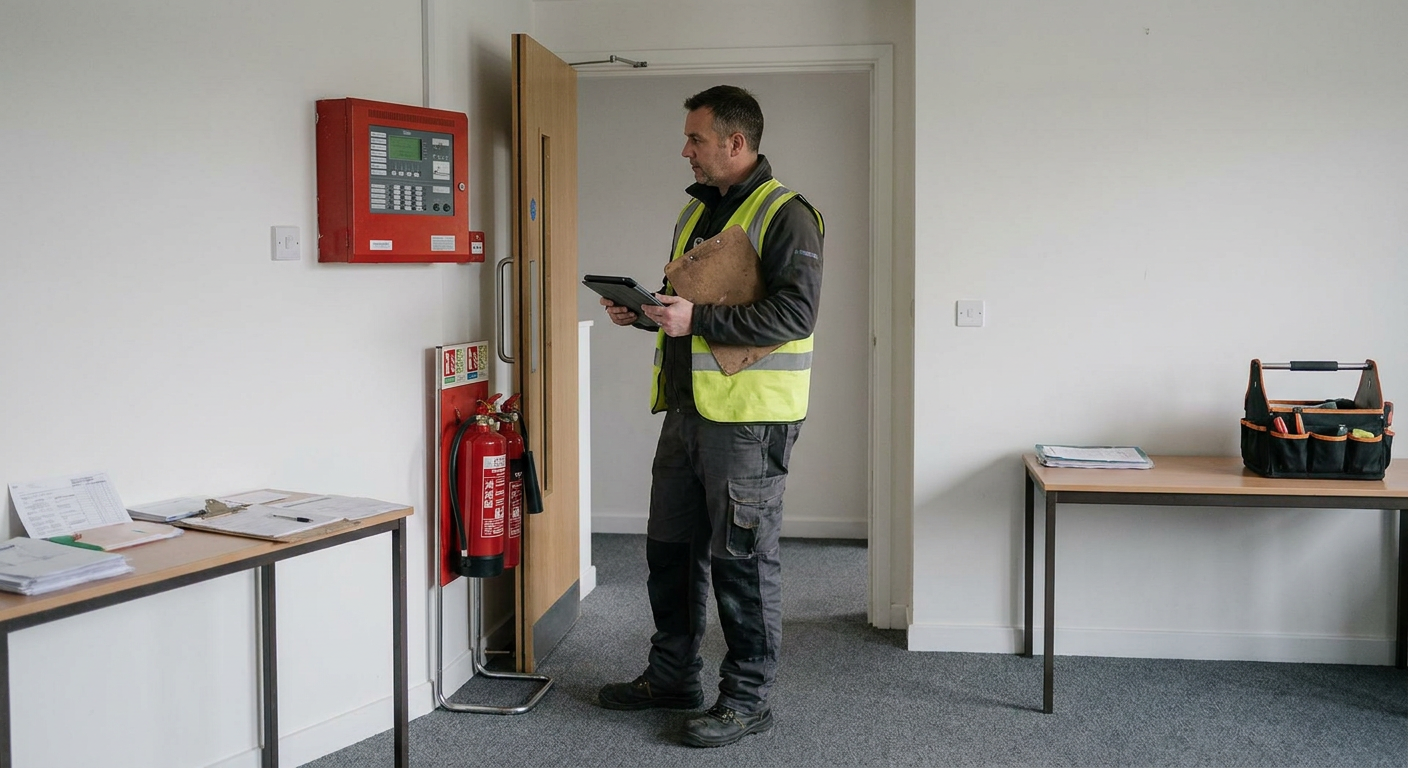
Shared kitchens generate most of the fire risk in student housing. A specialist carrying out a fire risk assessment will look at what detection cover is expected in student kitchens near the Chelmsford campus. Heat detectors sit above cookers where smoke alarms would trigger constantly, while optical smoke detectors cover the rest of the room.
Kitchen detection in student flats needs regular testing because grease builds up on sensors fast. The specialist checks that each device links back to the main panel and that residents know what the different alarm tones mean. If cooking keeps setting off false alarms, the answer is never to remove the detector head. Instead, the specialist may recommend relocating it further from the hob or fitting a multi-sensor unit that distinguishes steam from actual smoke.
Repeated false alarms cause residents to ignore warnings entirely. That habit turns a minor incident into a serious one. Managing agents should record every activation and ask the specialist to review patterns across the term.
Door closers and keeping corridors clear in halls
A self-closing door only works if nobody props it open. Door closers in student accommodation take heavy use, and wedging them with shoes, bins or furniture is a constant problem in halls. A specialist conducting a fire door inspection checks the closing speed, the latch engagement and the condition of the intumescent seals around the frame.
Stopping students from wedging doors requires more than notices. Some buildings fit hold-open devices linked to the fire alarm, so the door releases automatically when the system activates. Where those are not fitted, wardens need to patrol corridors and report faults quickly. Halls of residence fire checks should include every door between a bedroom and the final exit, plus any cross-corridor doors that form part of the escape route.
If a closer is damaged, the specialist notes it and explains the repair needed. Leaving a faulty door in place means the compartmentation fails, allowing smoke to travel through the building unchecked.
Running drills during term time
Term time fire drill planning has to account for how student populations change across the year. Running a drill in the first two weeks of term catches new arrivals before they settle into bad habits. A second drill later in the spring term tests whether people still remember the routes.
The best time to run a drill is mid-evening on a weekday, when most residents are in their rooms rather than at lectures or out for the night. Weekend drills miss too many people. A specialist drafting evacuation plans will map the routes and advise on timing so the maximum number of residents takes part.
After each drill, the responsible person records who evacuated, how long it took and which doors or stairwells caused delays. Those records feed into the next review. Student let fire safety in Essex follows the same principles as anywhere else, but the turnover of occupants makes documentation especially important.
Shared lets versus purpose-built halls
A converted house rented to five students does not have the same built-in protection as a modern hall. Shared student lets fall under houses in multiple occupation rules, which carry specific conditions. Purpose-built blocks follow building regulations current at the time of construction, and older ones may need upgrades identified through a fire strategy review.
Do shared student lets have the same requirements as purpose-built halls? No. A shared house typically needs interlinked detection throughout, emergency lighting on the escape route and fire doors separating the kitchen from the stairs. A purpose-built hall relies on compartmentation between flats and protected lobbies. The specialist identifies which standard applies by examining the building type, its age and any alterations made since construction.
A compartmentation survey confirms whether walls and floors between units still resist fire spread, particularly where pipes or cables have been routed through them later. Landlords managing both types near Anglia Ruskin University or the University of Essex often need separate assessments for each format.
Who holds responsibility for fire safety
In a student let, confusion over who is responsible causes delays. Is it the managing agent or the owner? The law places the duty on whoever controls the common parts. If a managing agent handles day-to-day maintenance and access, they usually act as the responsible person. If the owner manages the building directly, the duty falls to them.
Where responsibilities overlap, a nominated person clarifies who acts on findings from the assessment. This avoids situations where both parties assume the other ordered the repair. The specialist advises on this division during the visit.
Student accommodation fire safety Chelmsford depends on someone taking ownership of the recommendations. Without a named individual, reports sit unread until the next inspection or, worse, until an incident forces action. The responsible person must also ensure staff receive awareness training so they know how to raise the alarm and direct residents outside.
Costs, records and false alarms
What does an assessment cost for a block with several flats? The price depends on the number of storeys, the total floor area and the complexity of the escape routes. A specialist quotes after receiving basic details about the building. Larger blocks with multiple staircases and plant rooms take longer to inspect than a single staircase serving six flats.
How do we handle repeated false alarms from cooking? The specialist reviews detector placement and type, then recommends changes. They might suggest heat detectors in kitchens and smoke detectors in corridors, rather than mixing them incorrectly.
What records should we keep for the university or the licensing team? Keep the current assessment, proof of remedial work, drill logs, equipment testing certificates and staff training records. Universities and local authority licensing teams ask for these during audits. A written fire safety policy sets out how often each document gets updated and who holds the master file. Maintaining these records protects both the residents and the landlord.
Specialist services
Fire safety work for student housing
- Fire risk assessment
- A specialist examines escape routes, detection systems and management procedures in halls or shared lets to identify what needs fixing.
- Fire door inspection
- A specialist checks every fire door, including frames, seals, hinges and closers, recording faults that stop them holding back smoke.
- Compartmentation survey
- A specialist inspects walls, floors and service risers to confirm fire cannot spread unseen between student bedrooms or flats.
- Evacuation plans
- A specialist draws escape routes and schedules drills timed for when most students are actually present in the building.
- Awareness training
- A specialist trains wardens and managing agents on raising the alarm, checking exits and directing residents out safely.
- Equipment testing
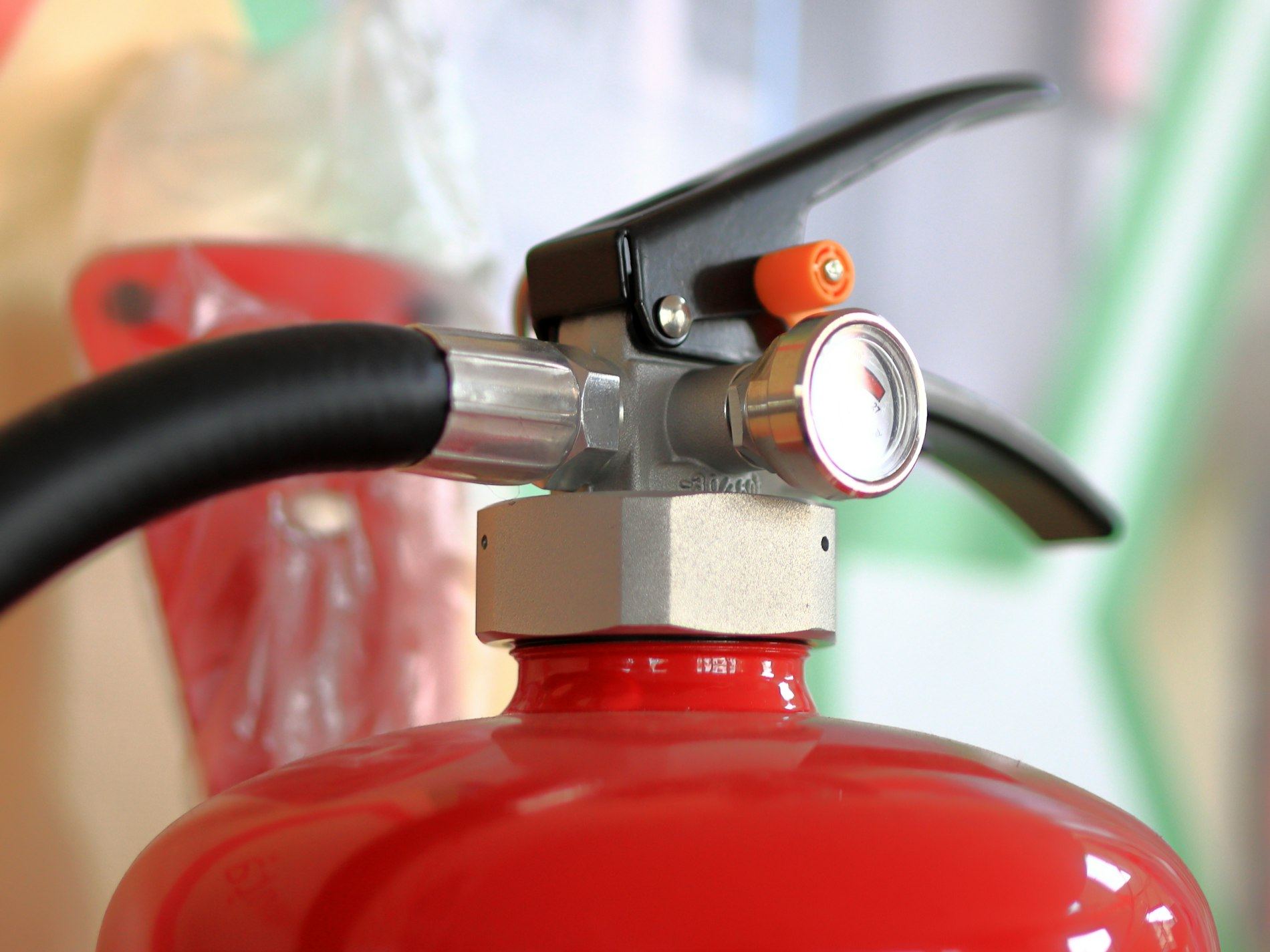
- A specialist checks extinguishers, call points and alarm panels to confirm everything operates when a resident needs it.
Questions about student housing
-
Answers to what landlords and agents near the Chelmsford campus ask most often about fire safety in student buildings.
- Detection in kitchens
- Heat detectors sit above cookers; optical smoke detectors cover the rest. A specialist specifies the layout for each room.
- Wedged doors
- Fit alarm-linked hold-open devices or schedule warden patrols. A specialist inspects closers and seals for damage.
- Drill timing
- Mid-evening on weekdays during the first weeks of term catches the most residents before routines set in.
- Shared lets vs halls
- They follow different standards. A specialist determines which rules apply based on building type and conversion history.
- Who is responsible
- Whoever controls the common parts. A specialist helps clarify the duty between owners and managing agents.
- Assessment cost
- It depends on size and complexity. Send building details to receive a quote from a specialist firm.
Ask about your student building
Send the address, building type and your role. The enquiry goes to a specialist firm covering Chelmsford. It costs nothing to ask and does not commit you to booking any work.
- No fee to enquire
- Local specialists only
- No booking required