Chelmsford
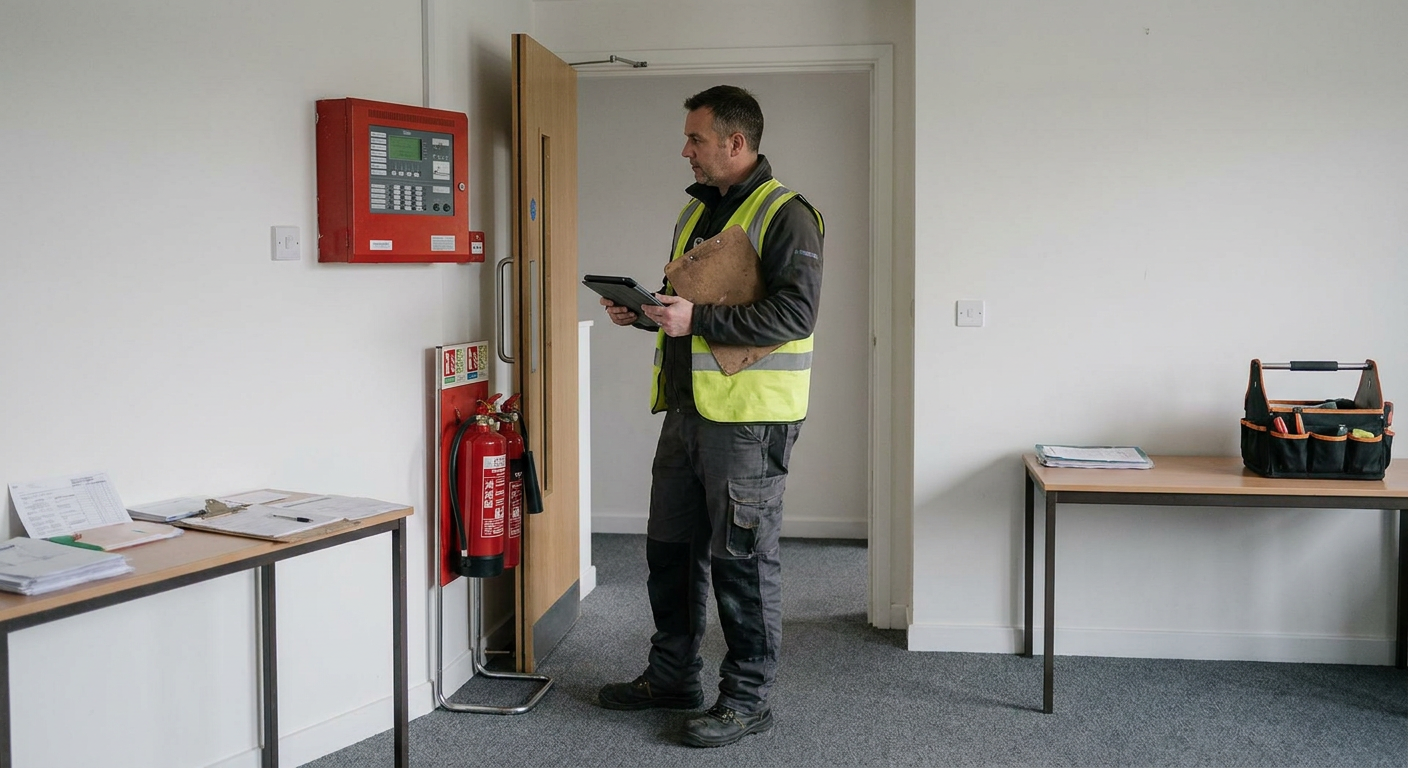
Compartmentation survey in Chelmsford buildings
A compartmentation survey Chelmsford agents and freeholders rely on to prove fire separation. Send an enquiry about your block today and find out what the specialist can do, without any charge for asking.
What is checked
Areas covered in a compartmentation survey
Voids and ceiling lines
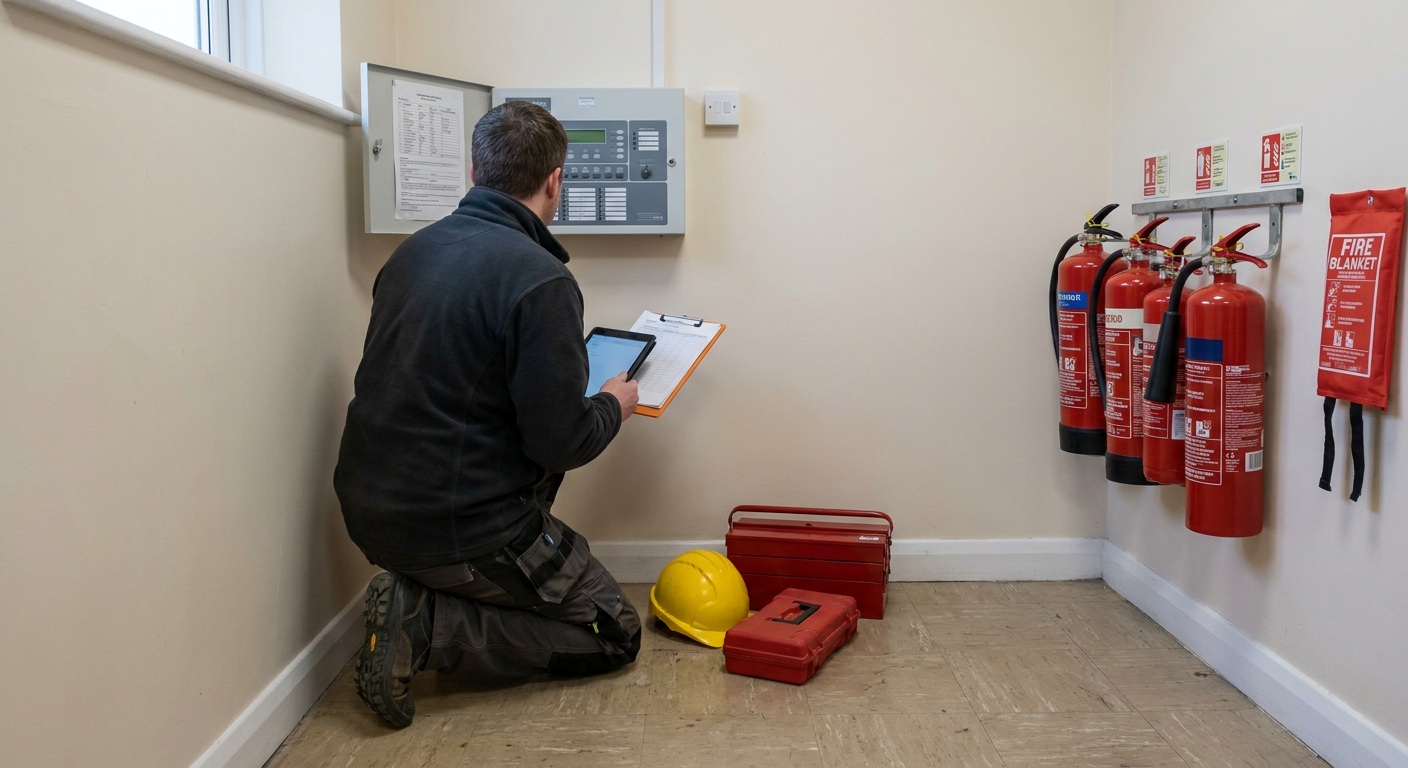
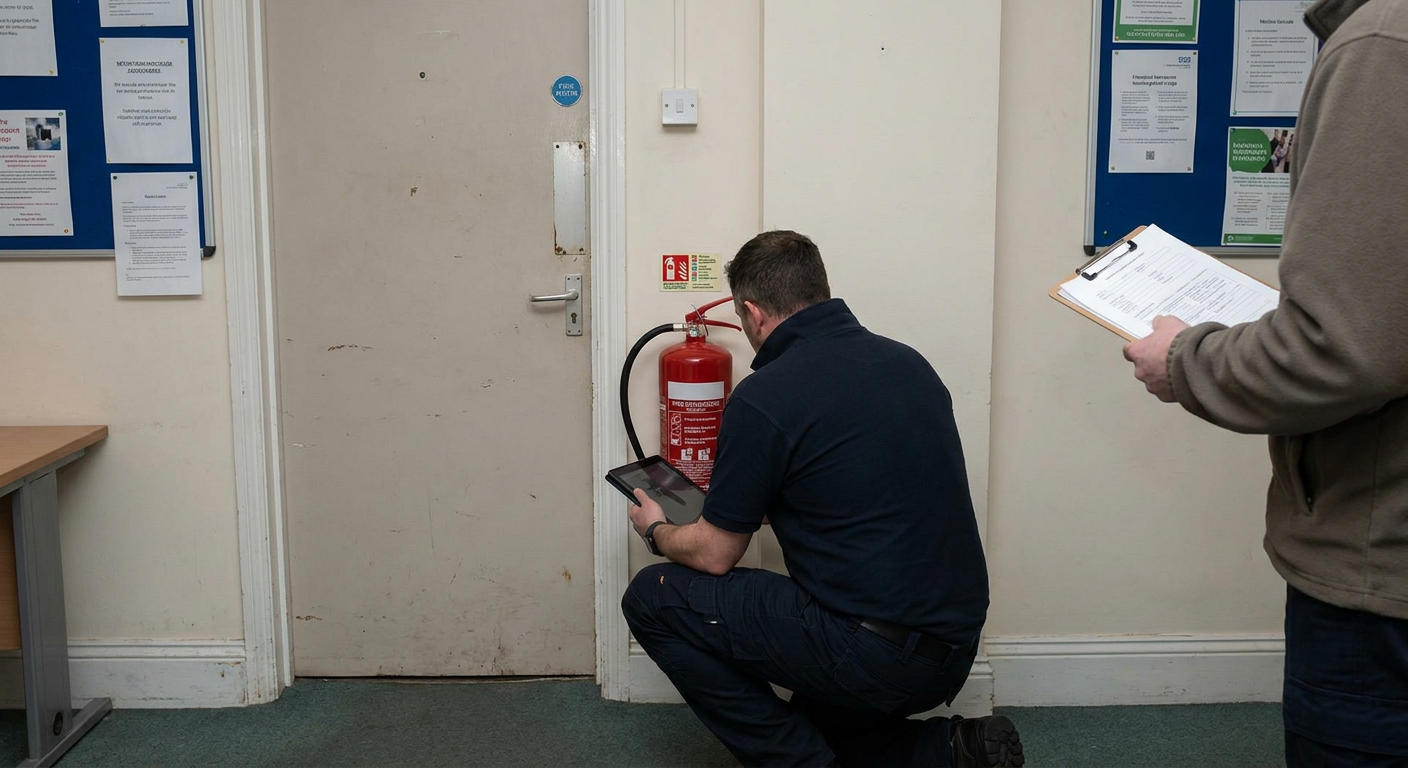
A ceiling void fire barrier inspection checks above suspended ceilings and inside roof spaces for missing or damaged fire stopping materials that should seal the gaps.
Service penetrations
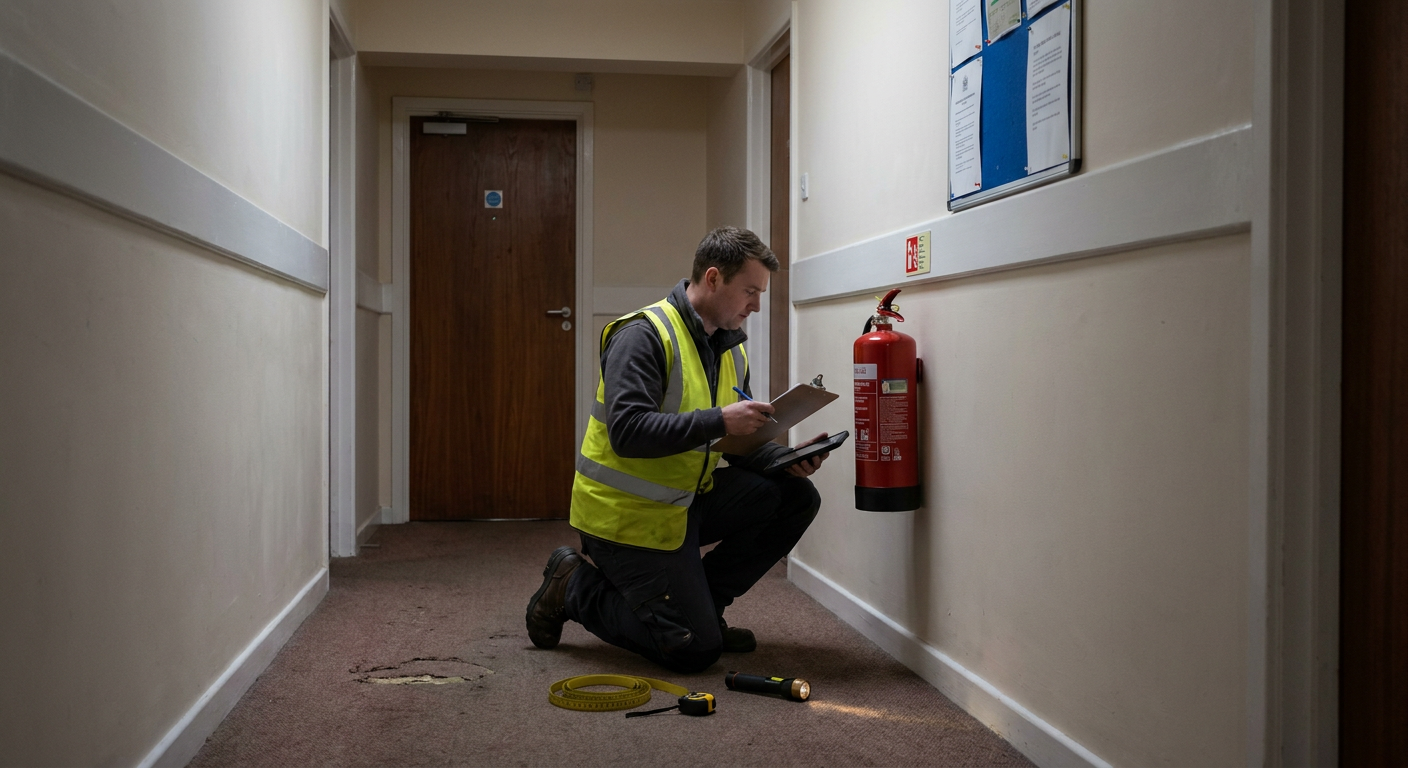
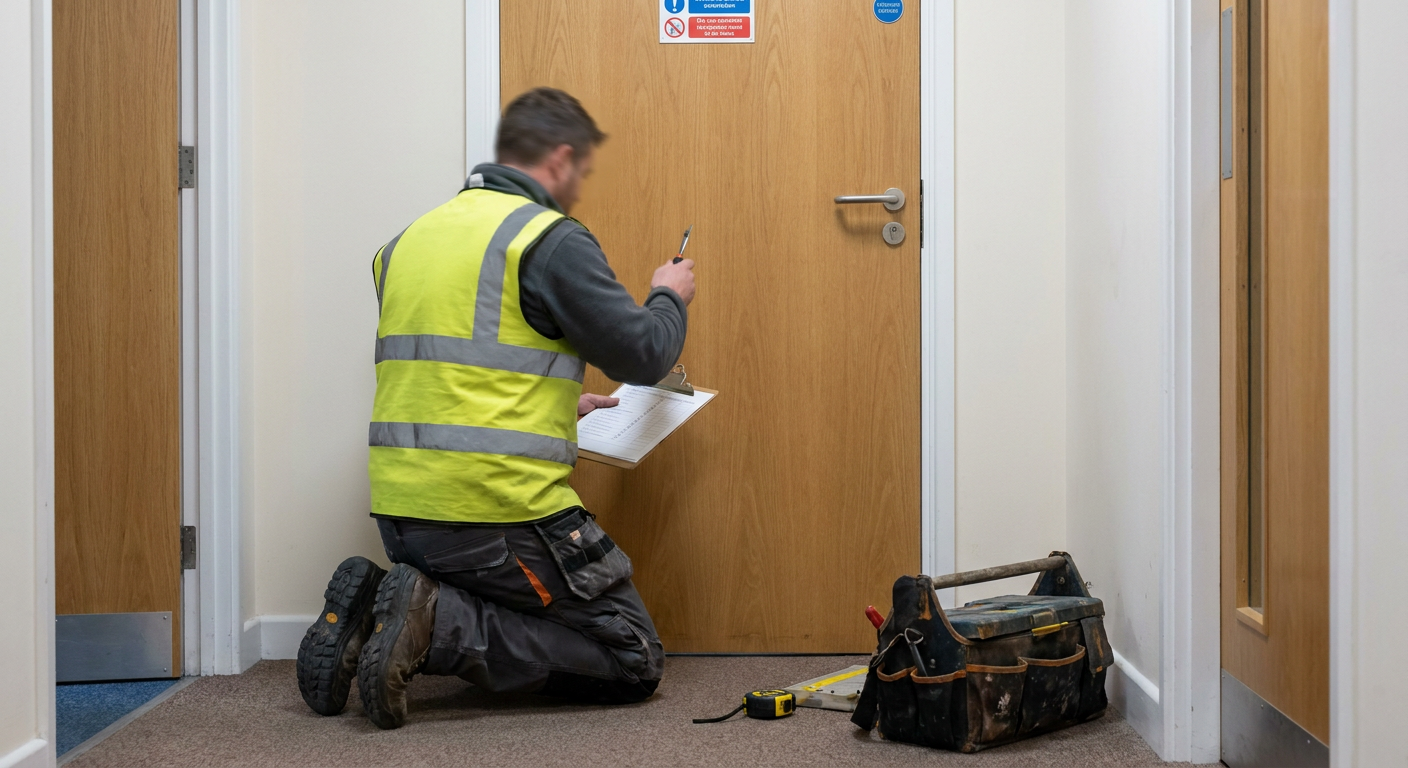
Pipes, cables and ducts passing through walls or floors leave gaps. The specialist inspects each penetration to confirm it is sealed to the required standard.
Riser cupboards
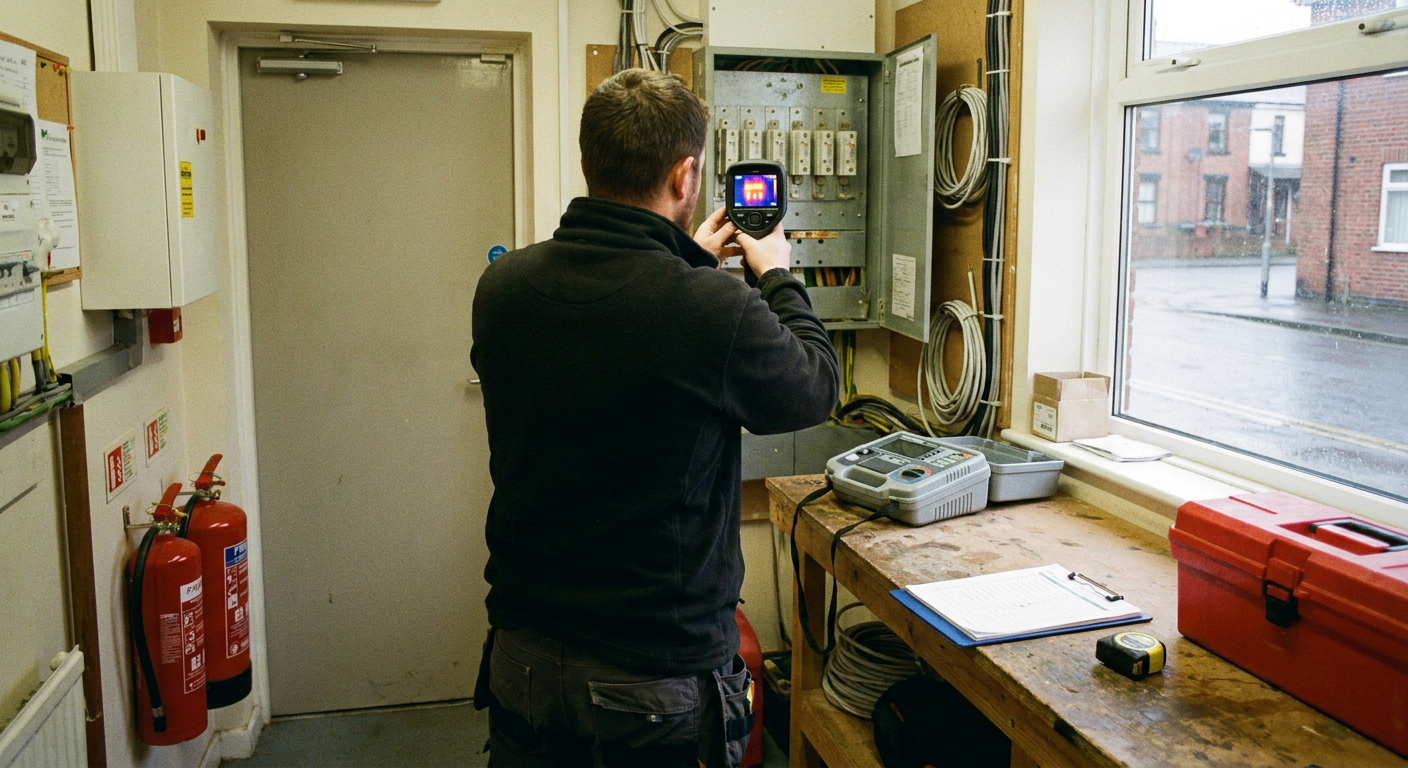
Vertical shafts running between floors act as chimneys during a fire. The specialist opens riser doors to check the seals at every floor level.
Walls and floors
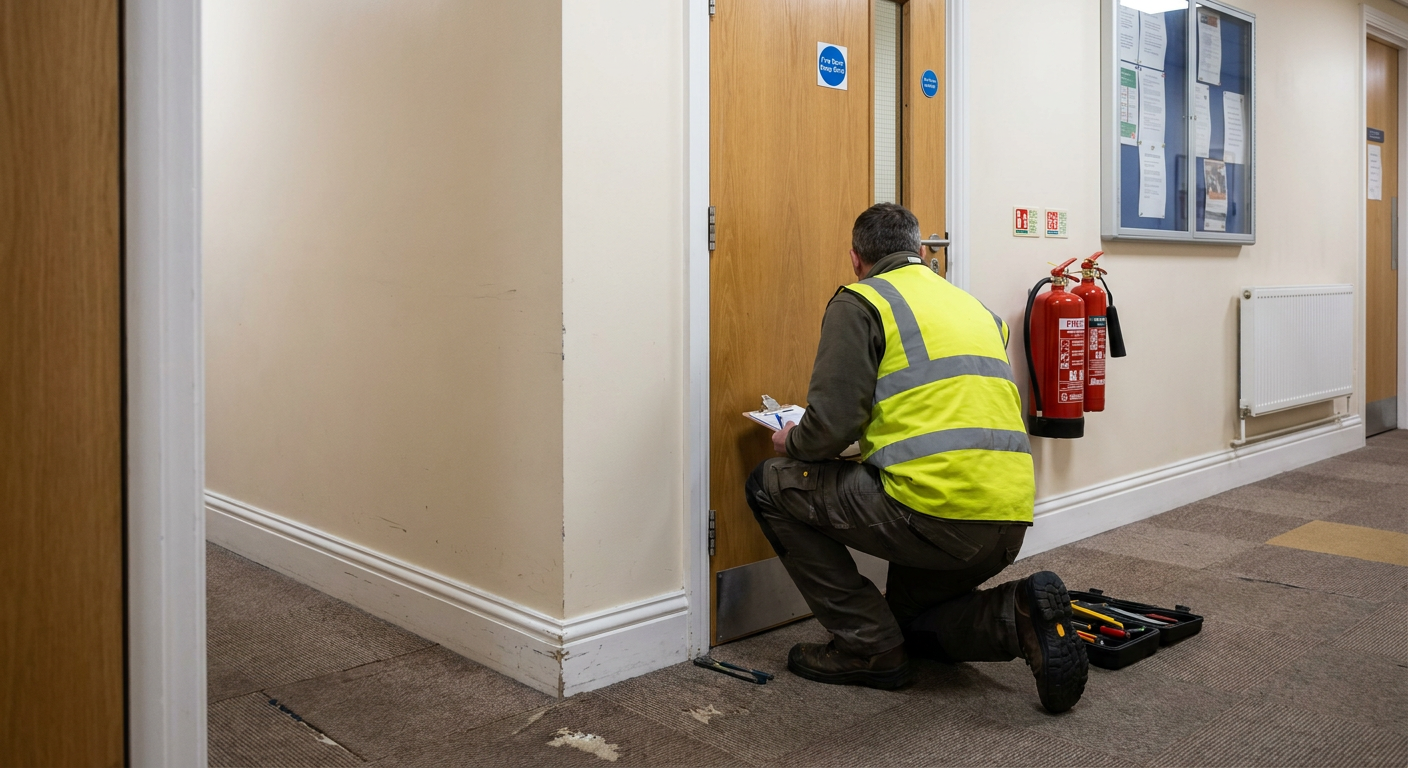
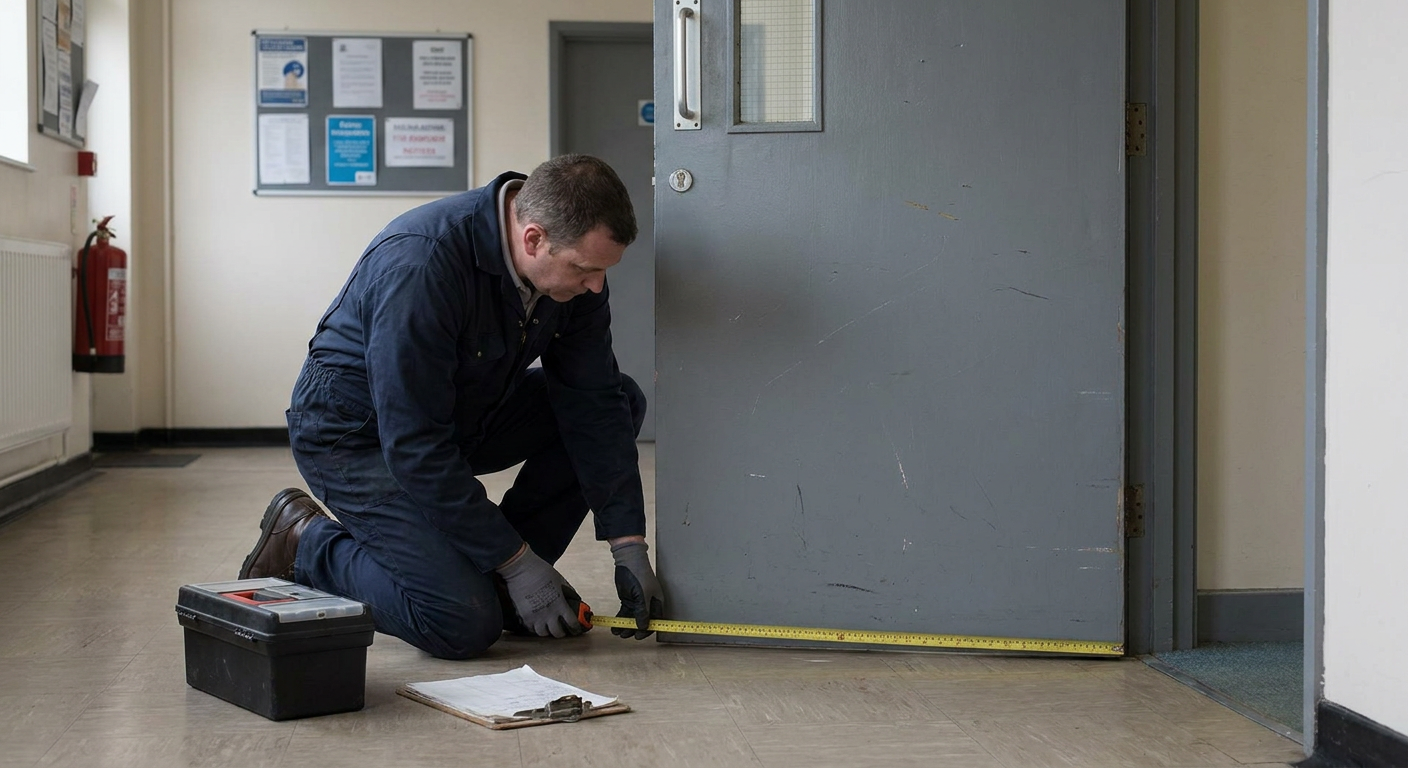
The physical barriers between flats, corridors and stairwells are examined to confirm they provide the intended period of fire resistance.
Signs that fire separation may be failing
Gaps around pipes or cracked plaster might look minor, but they affect how long a compartment holds back smoke and flame. Each sign points to something different.
- Daylight showing around pipes under the sink
- An unsealed service penetration. A fire compartmentation check Essex specialists carry out will show if the gap breaches the wall rating.
- Cracks along the line where wall meets ceiling
- Movement breaking the original seal. A fire stopping survey block flats specialists conduct confirms if the barrier still holds.
- Riser cupboard door with no intumescent strip
- Smoke can travel freely between floors. The specialist notes the missing hardware and specifies what is needed to close the gap.
- Holes left by old cables in corridor walls
- Removed services often leave open paths for fire spread. Inspection determines if the surrounding material still meets its rating.
From uncertainty to a written record
Before a survey, a freeholder rarely knows exactly where the weak points are. Afterward, there is a document setting out what exists and what needs attention.
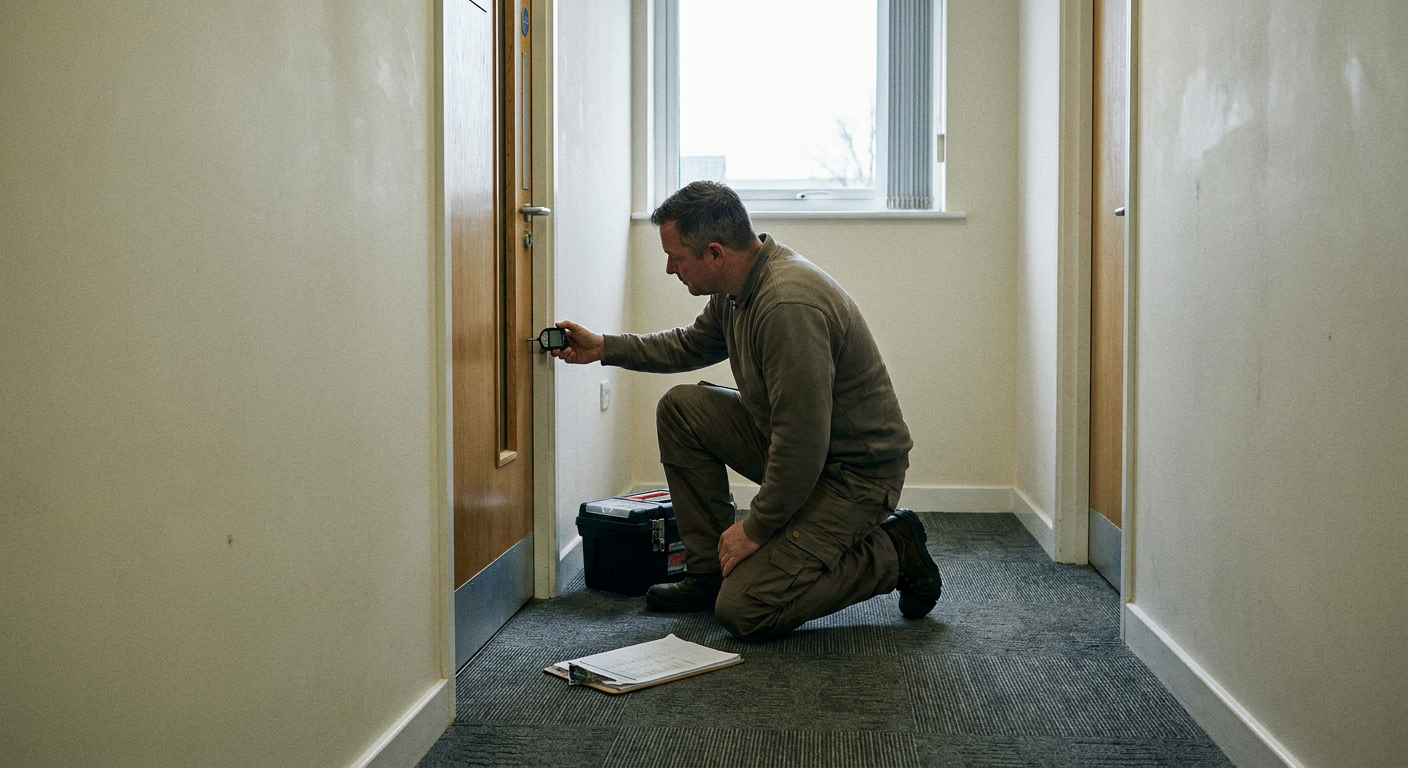
Before the visit
An insurer or managing agent asks for proof of fire separation. The freeholder has no record of what sits behind the walls or above the ceiling tiles.
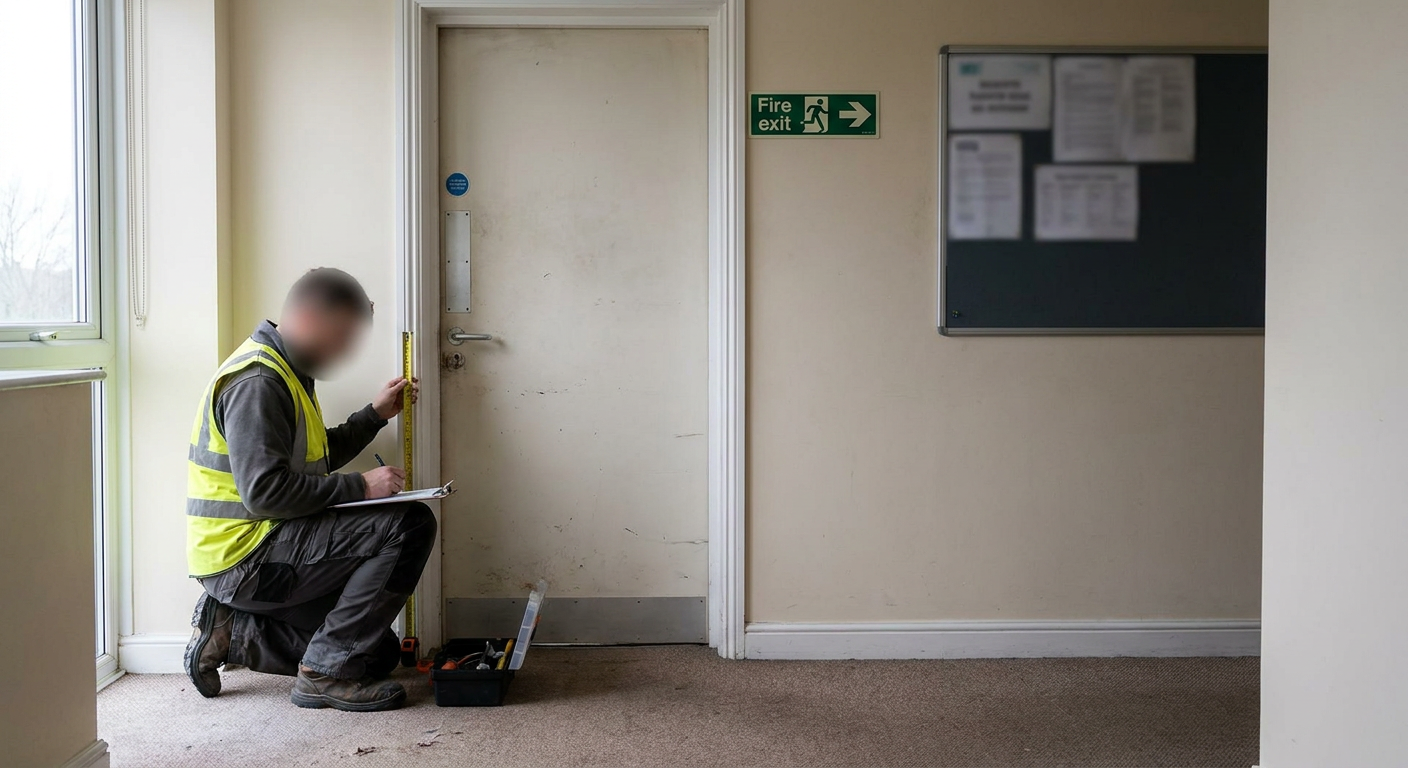
After the report
A fire separation report freeholder records list each defect, its location and the standard it fails to meet, ready for pricing remedial work.
What happens when you send an enquiry
Details go straight to a specialist firm handling compartmentation surveys in Chelmsford. They read the information and reply directly. Nothing is promised until they have seen the building.
-
The same day it is sent
The enquiry reaches the specialist firm covering Chelmsford, who reads the details about the block and what the insurer or agent requires.
-
Usually within two days
The specialist contacts you to discuss the building layout, access needs and arrange a date for the site visit. You just answer their questions.
What shapes the cost of a survey
Every block differs in size, age and construction. The amount of inspection required depends entirely on these physical factors rather than a fixed rate.
- Number of compartments
- More flats or distinct areas mean more individual walls, floors and ceiling voids to examine and record.
- Access requirements
- If riser cupboards are locked or voids need panels lifting, the specialist must allow time to reach each point safely.
- Building age and type
- Older blocks often have varied construction methods and previous alterations, requiring closer inspection at each penetration.
- Report detail needed
- An insurer requesting photographic evidence of every defect adds time to both the inspection and the write-up.
The specialist sets out the exact cost for your block before any work is agreed.
Where compartmentation surveys take place
Enquiries are taken for blocks across Chelmsford and the surrounding villages. The specialist firms operate throughout this area, covering town centre buildings and suburban estates alike.
If your block sits outside these areas, send an enquiry anyway to ask about coverage.
Ask about your block's fire separation
Send the details of your building and what the insurer or agent has asked for. The specialist replies directly. Sending an enquiry does not commit you to booking anything.
- No obligation to book
- Specialist replies directly
- Free to ask