Chelmsford
Fire safety policy and procedures in Chelmsford
Send the details of your building to find out what a written fire safety policy Chelmsford document needs to contain. An initial conversation costs nothing and carries no obligation to proceed further.
Policy or assessment: which is being asked for?
An insurer, client or inspector may ask for one or both documents, and they serve different purposes.
What it records
- Fire risk assessment
- Hazards found in the building and the steps taken to control them.
- Fire safety policy
- The rules, roles and procedures staff follow to prevent and respond to fire.
Format
- Fire risk assessment
- A structured report with findings, risk ratings and an action plan.
- Fire safety policy
- A written statement paired with detailed procedures for daily use.
Who reads it
- Fire risk assessment
- The responsible person, inspectors and any specialist reviewing the site.
- Fire safety policy
- Staff, wardens, tenants and the organisations that request proof of management.
Legal basis
- Fire risk assessment
- Required under fire safety law for almost all non-domestic premises.
- Fire safety policy
- Often required by insurers, clients or licensing bodies as proof of management.
A specialist advises which document fits after looking at the request and the building itself.
Why someone is asking for a written policy now
A request for a written fire policy usually arrives without much warning. An insurer might demand one before renewing cover, a new client could insist on seeing your fire safety documentation help pack, or an inspector may ask who can write fire procedures for the premises.
- 1
Letter from an insurer
A renewal notice states the insurer wants a fire policy before extending cover for the coming year.
- 2
Client questionnaire
A tender document asks for a fire safety procedures document Chelmsford file as part of supplier vetting.
- 3
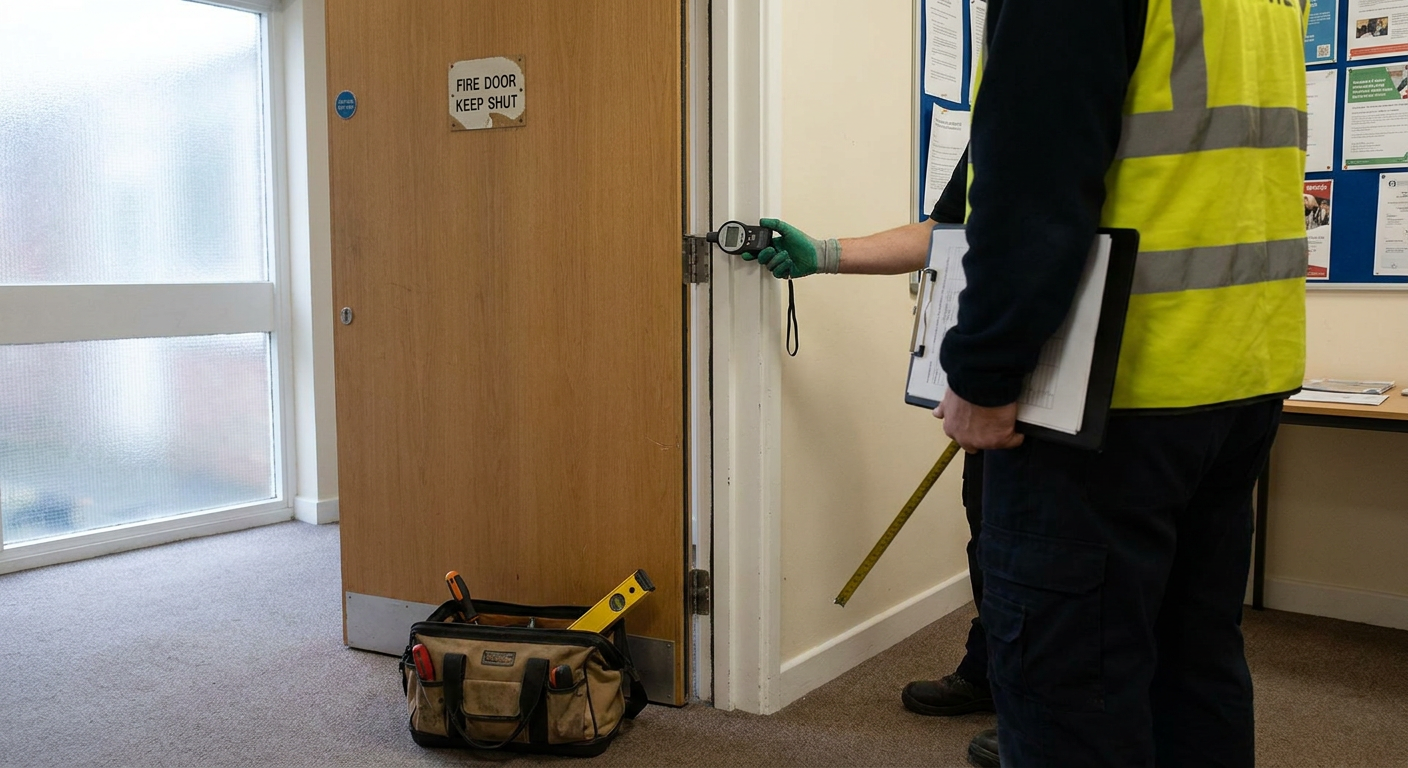
Inspector visit
A visiting officer asks to see written arrangements rather than just hearing how things are managed verbally.
- 4
New tenancy terms
A lease requires a fire policy for landlords Essex buildings must hold before occupants move in.

How the policy gets written
- 1
You send the request details
Forward the letter or email asking for the policy so the specialist sees exactly what is required.
- 2
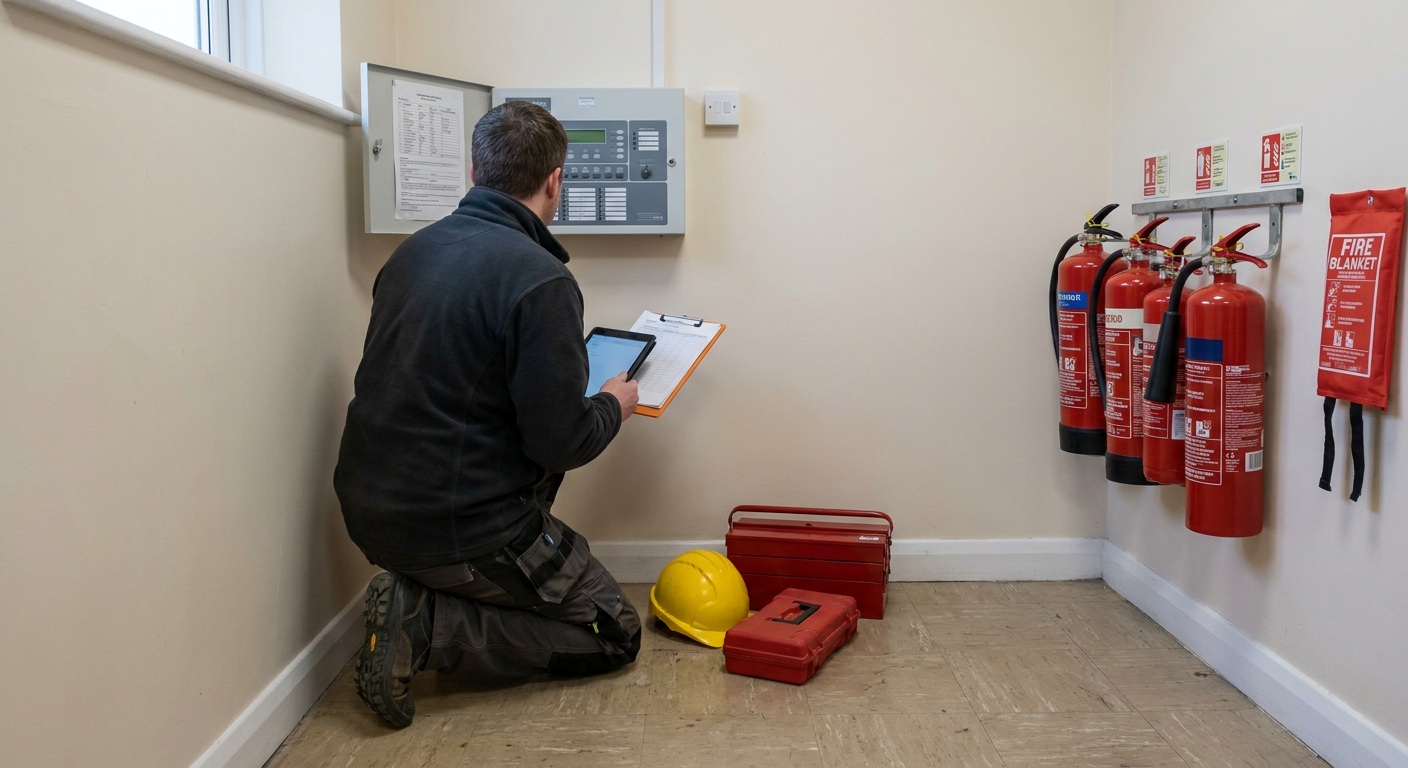
The specialist visits the site
A walk-through of the building establishes the layout, occupancy type and existing fire precautions.
- 3
Drafting the document
The specialist writes the policy around the actual building, naming roles and setting out clear procedures.
- 4
Review and issue
You receive the finished document to share with whoever requested it, along with advice on upkeep.
What goes into the document
A policy follows a logical order so staff know what to do daily and what changes during an emergency. The sequence matters because each section builds on the last.
-
Statement of intent
A written statement from the responsible person confirming that fire safety is managed actively at the premises. This rules in a clear commitment to safety and rules out vague or missing declarations that an insurer might reject.
-
Named roles
Specific job titles are assigned duties such as checking escape routes or calling the fire service, without using personal names. This rules in role-based accountability and rules out confusion when named staff members leave the organisation.
-
Prevention measures
Daily habits like keeping corridors clear, managing waste storage safely and controlling ignition sources near flammable materials. This rules in practical prevention measures and rules out gaps where routine housekeeping could allow a fire to start unnoticed.
-
Emergency procedures
Step-by-step actions for raising the alarm, evacuating the building safely and accounting for everyone at the designated assembly point. This rules in a structured response during an emergency and rules out ad hoc reactions that cause delays.
-
Maintenance schedule
A defined timetable for testing alarms, checking extinguishers and inspecting fire doors to keep all equipment reliable. This rules in scheduled maintenance and rules out the risk of safety devices failing because nobody checked them regularly.
If the building has unusual risks, the specialist adds sections covering those specific hazards.
Questions about a fire safety policy in Chelmsford
Common points raised when an organisation first needs a written fire policy Essex document prepared.
- What does an insurer expect to see?
- They look for named roles, prevention routines, emergency steps and a maintenance schedule matching the building type.
- Assessment versus policy
- An assessment identifies hazards; a policy sets out the rules and procedures staff follow to manage them daily.
- Naming people by role
- Policies use job titles rather than names so the document stays valid when staff leave or change positions.
- Visiting the building first
- The specialist walks through the premises before writing anything, since plans alone miss daily realities and obstacles.
- Covering two buildings
- Each site usually needs its own policy because layouts, risks and escape routes differ between buildings.
- How often to review it
- Annual review is standard. The specialist notes the date and flags when the next check falls due.
Areas covered near Chelmsford
Enquiries are taken for premises across the city and the surrounding villages. Separate specialist firms carry out the visits and write the policies locally.
Send an enquiry if your town is not listed here.
Get a policy written for your building
Send the details of your premises and the request you received. The information goes to a specialist firm who will reply with what they need to start. There is no commitment to buy.
- No obligation
- Local specialists
- Clear next steps